Le beau, c’est le laid.«
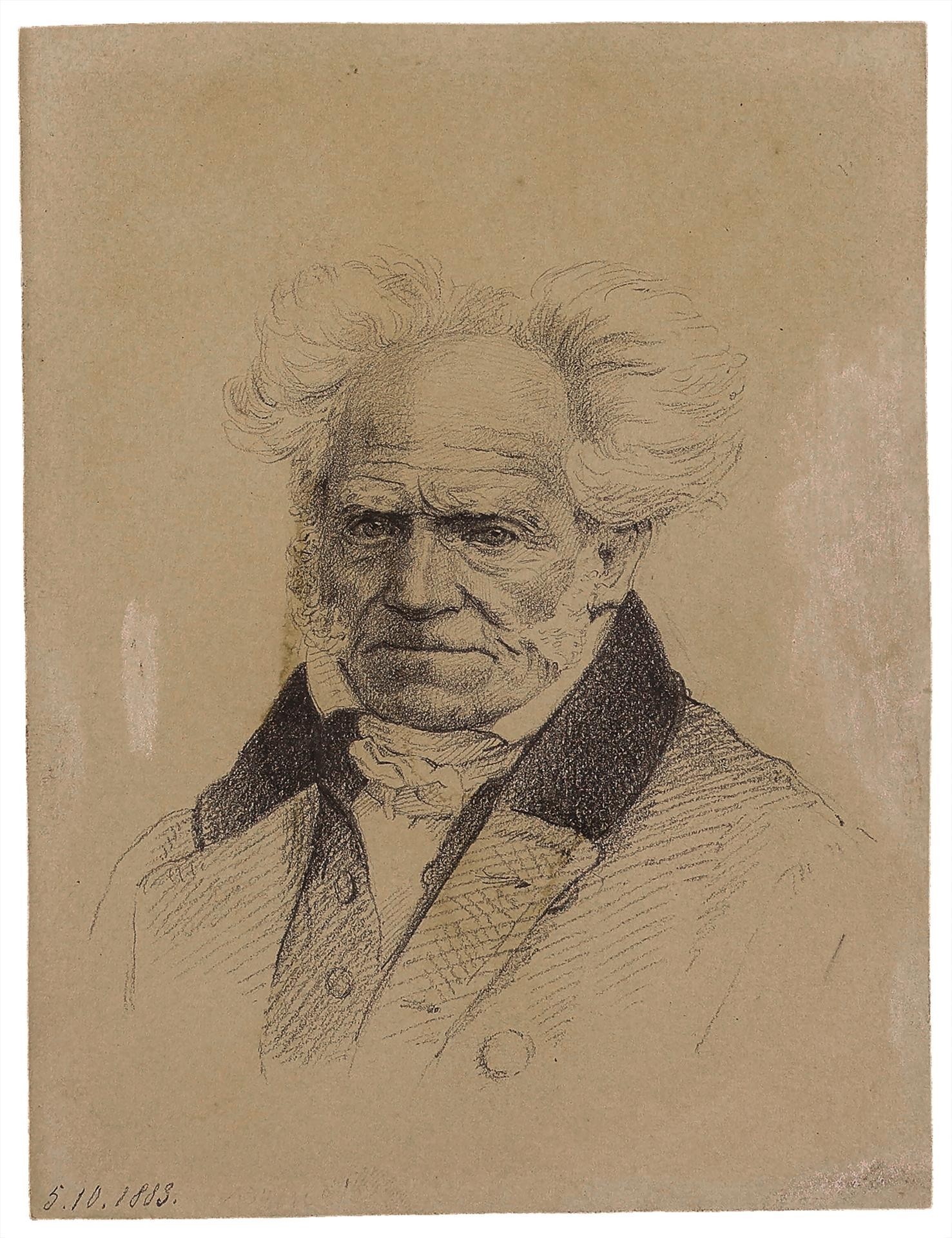
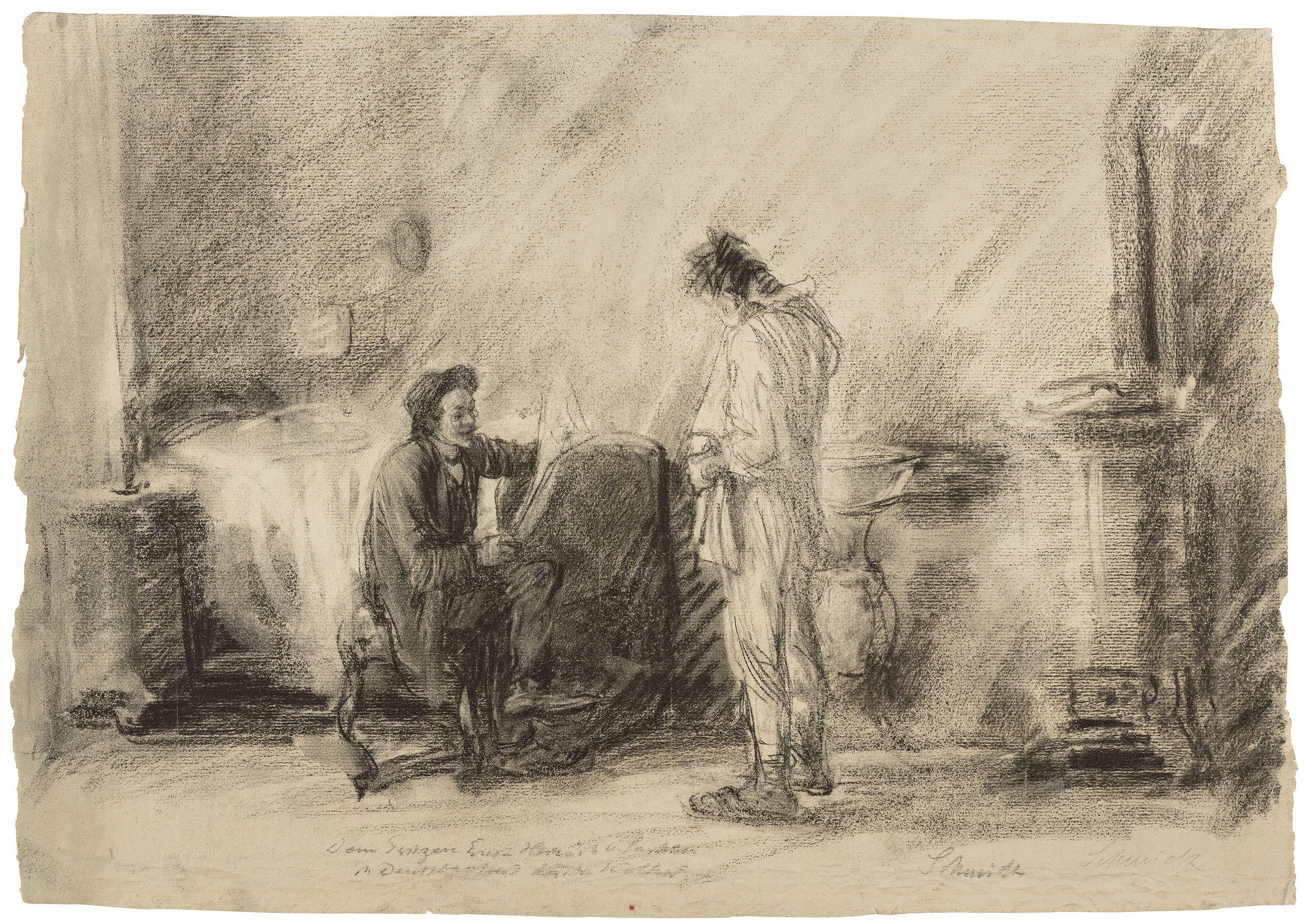
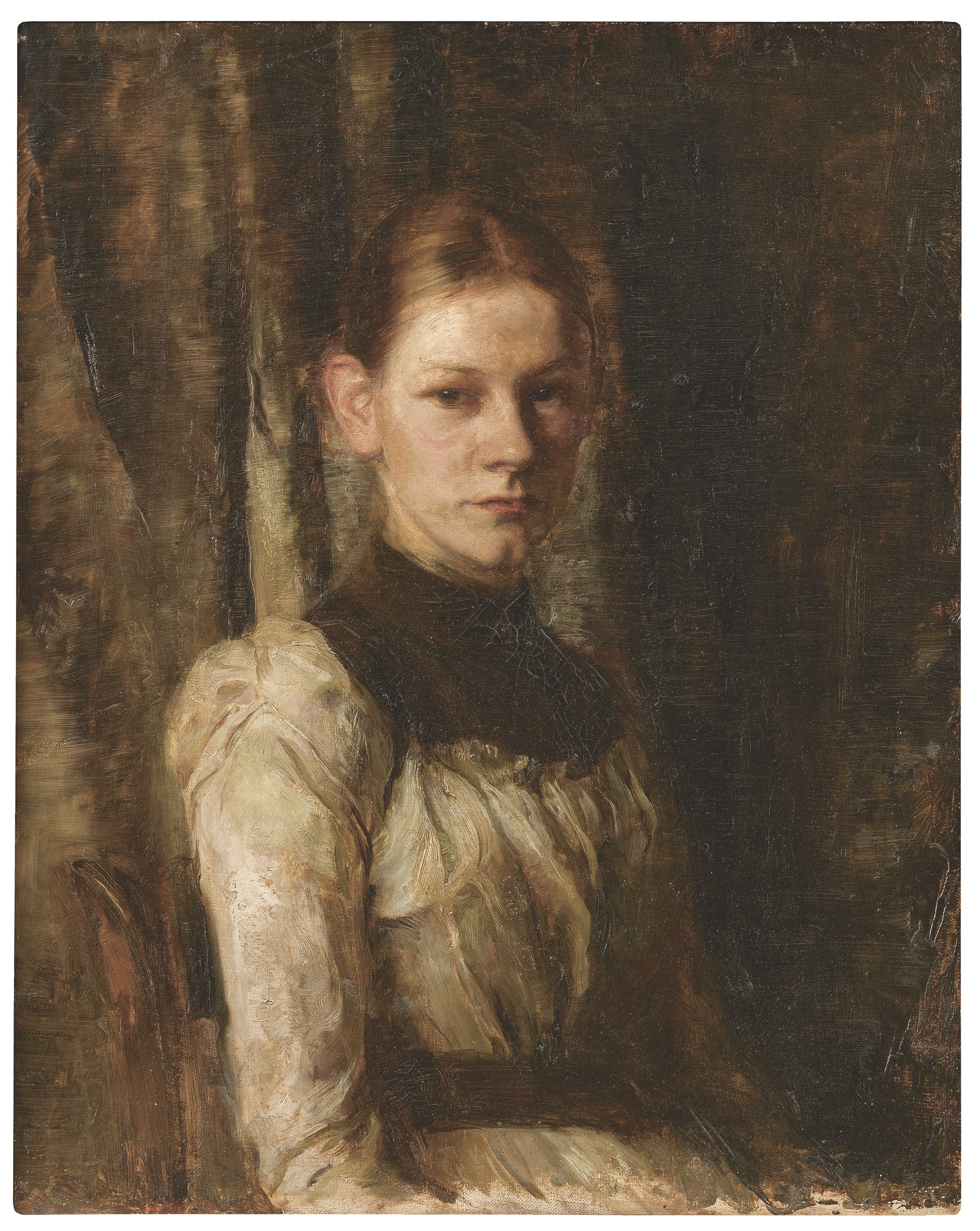
During her studies in Munich, Käthe Kollwitz witnessed the breakthrough of Naturalism with its depictions of everyday life as experienced by ordinary people. She joined the movement which was spearheaded in the fine arts by Liebermann and Uhde.
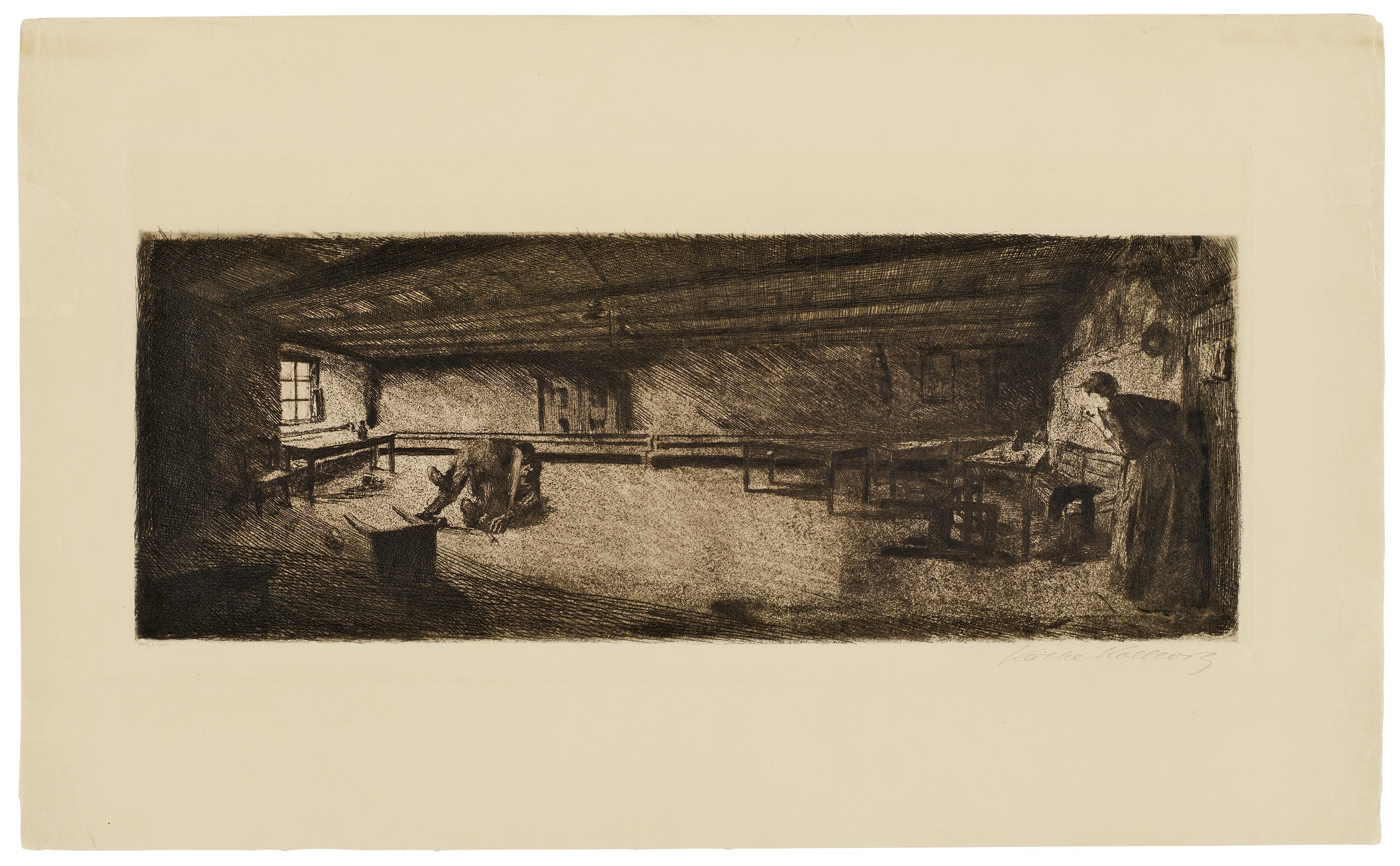
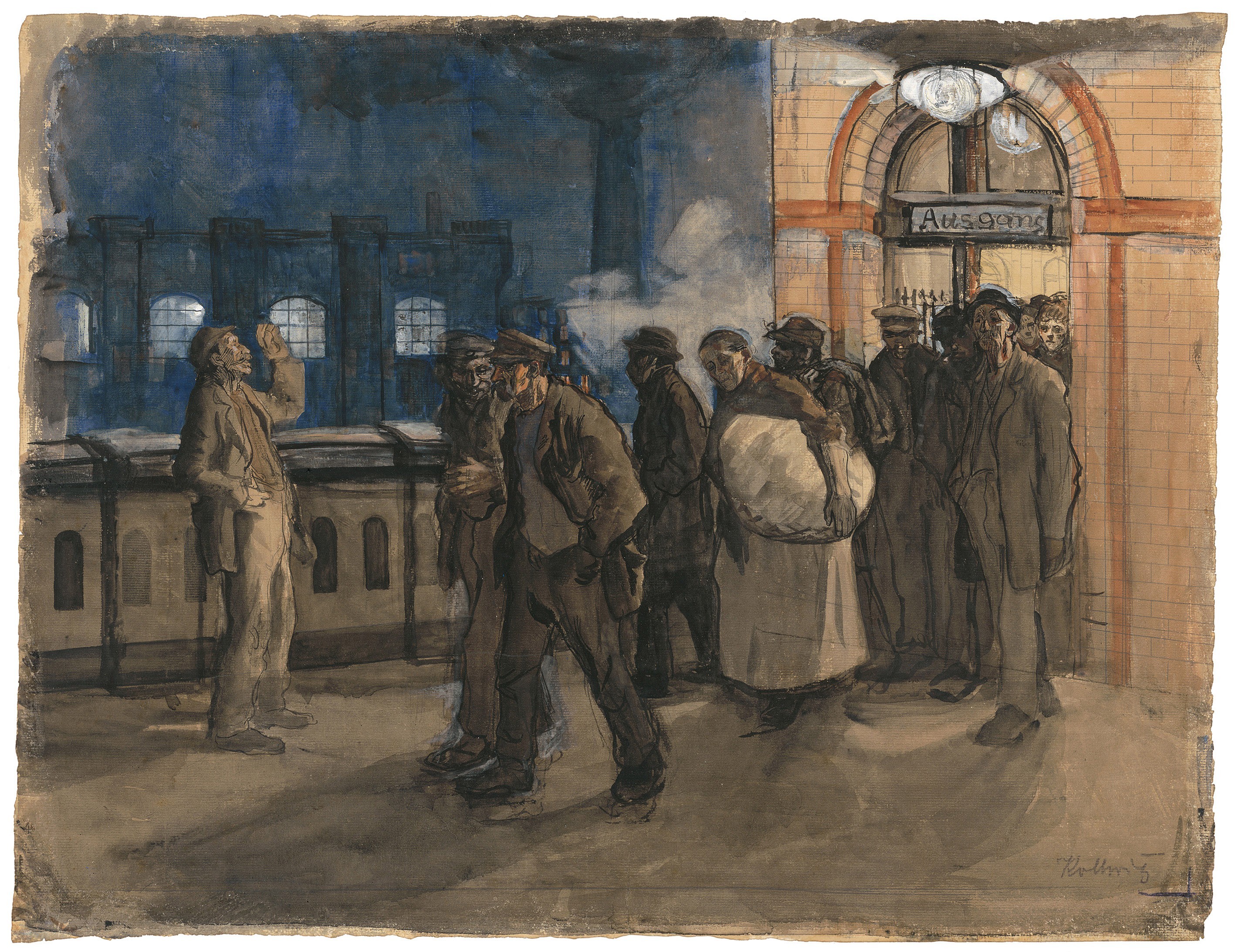
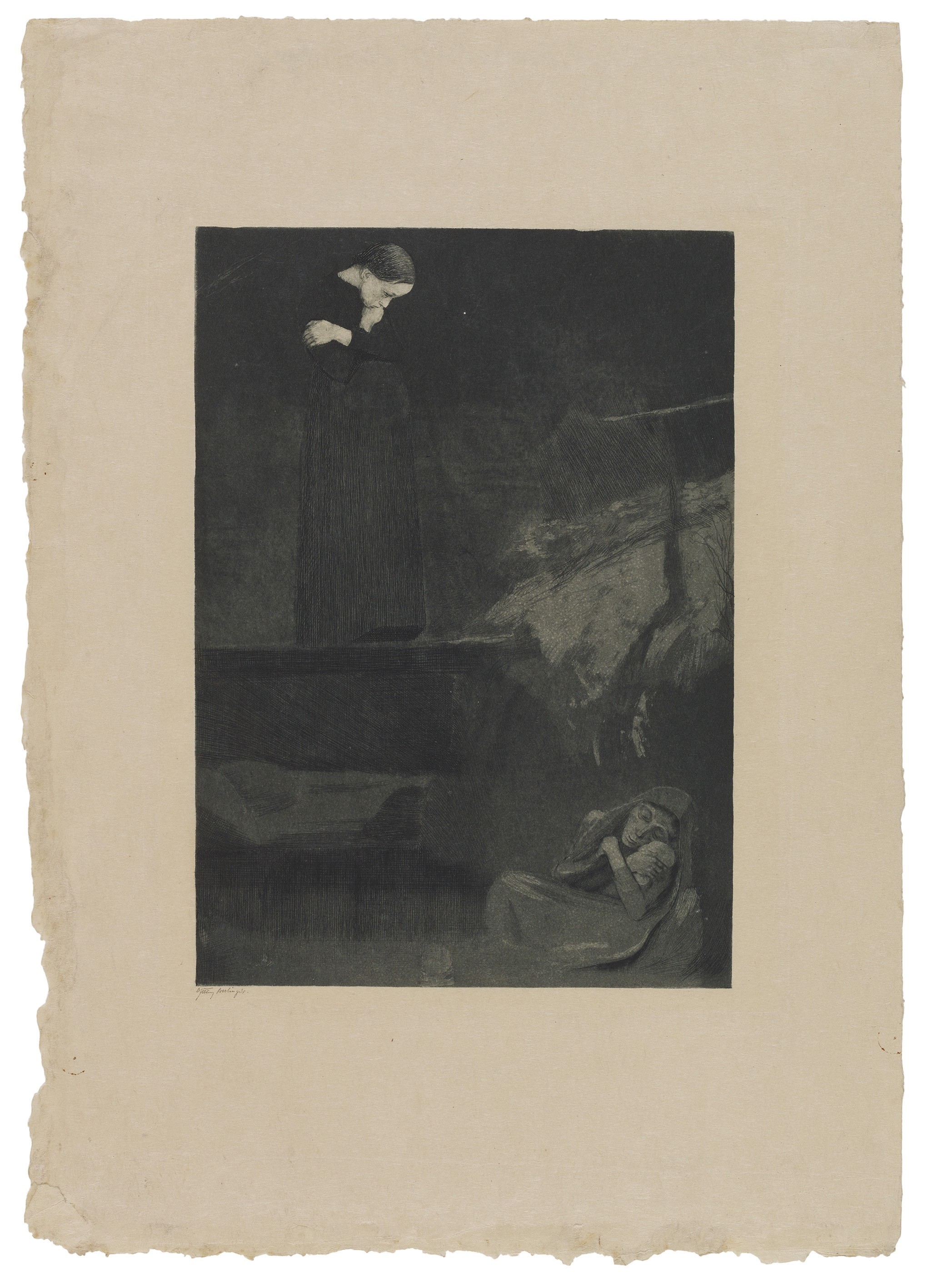
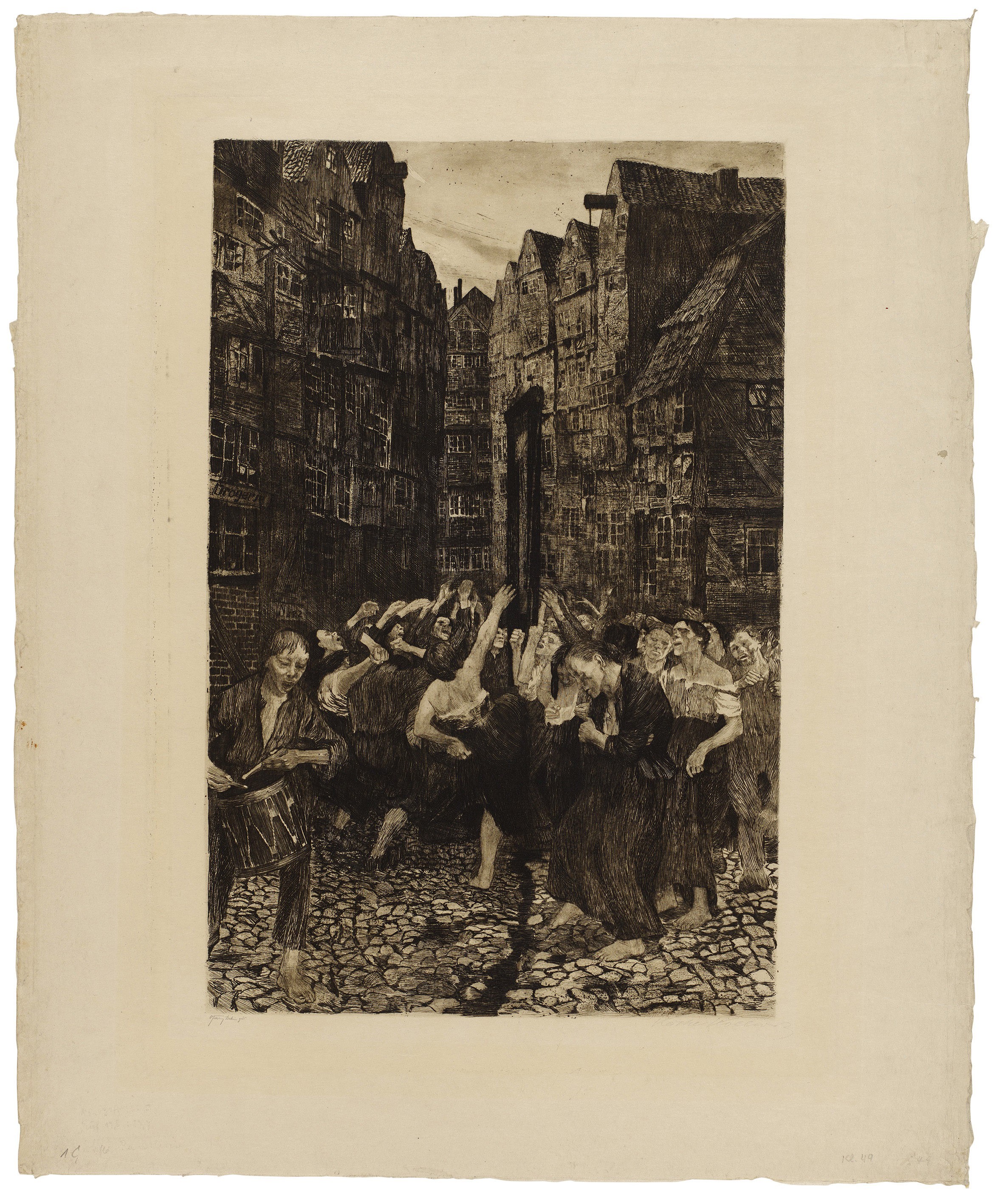
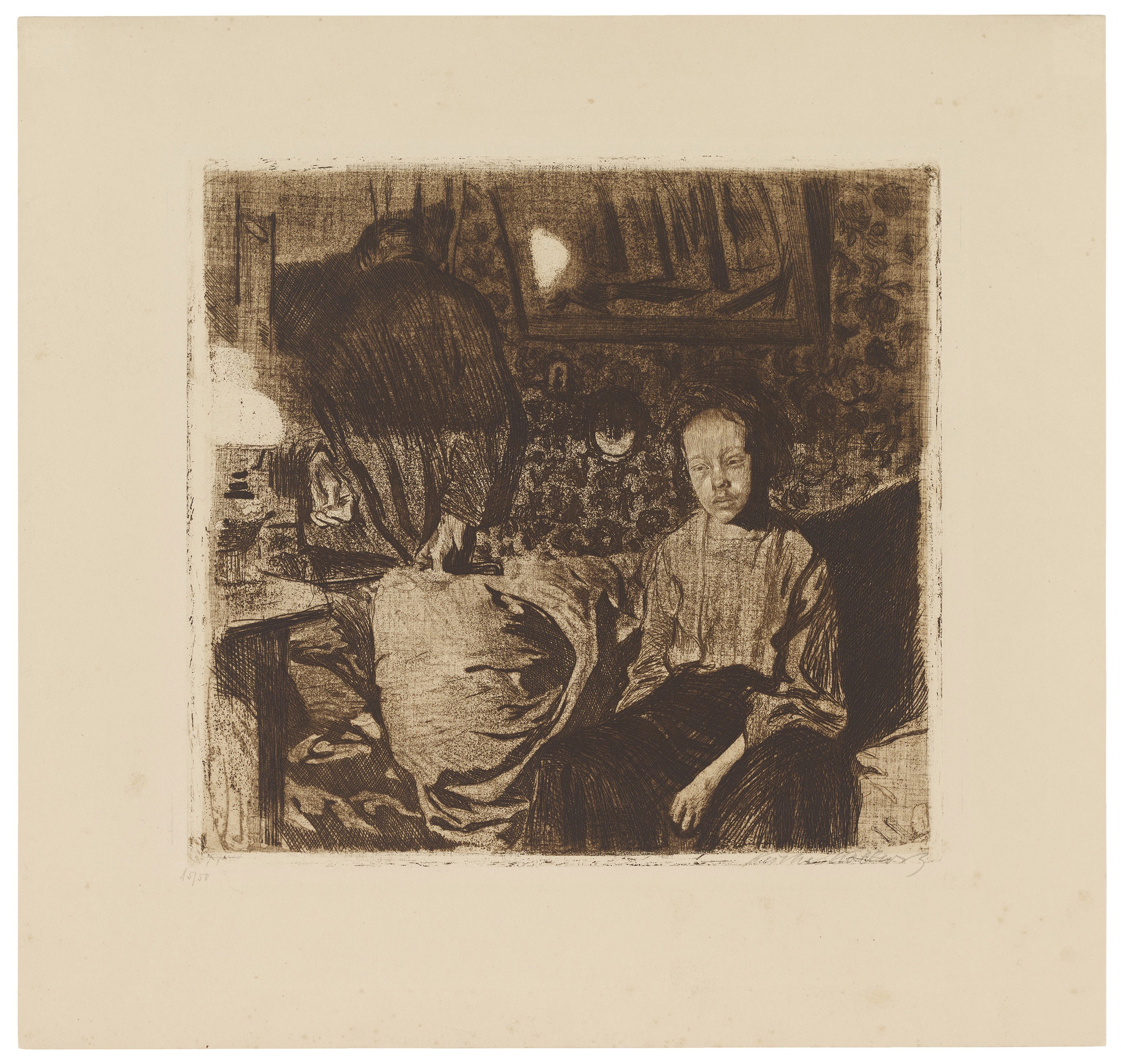
Kollwitz, too, represented the everyday life of workers – for the time being without any tendentiousness, but because she found their life »beautiful«. This attitude was influenced by Zola. In her diary she wrote: »As Zola or somebody once said, ›le beau, c’est le laid‹.« (Käthe Kollwitz, Diaries, Retrospection, 1941)
In line with Naturalist writers, the artist put the urban proletariat at the centre of her work. It was only when she came into direct contact with the urban proletariat in North Berlin and at her husband’s surgery that she was motivated to produce socially critical works.