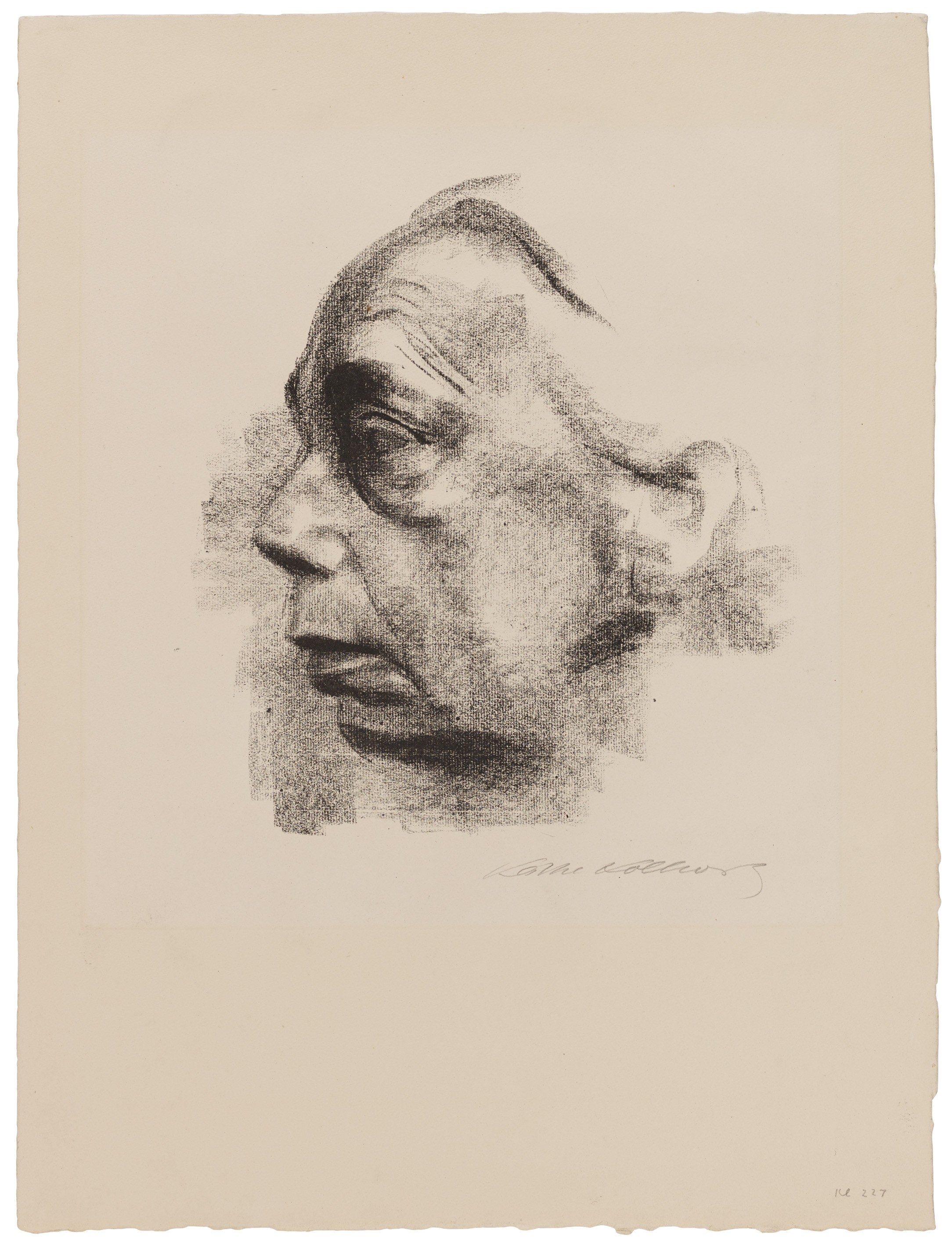
On the occasion of her 60th birthday, Käthe Kollwitz received many honours.
Among the 500 letters and telegrams were congratulations from the German Minister of the Interior, the Prussian Minister of Culture, the Reichskunstwart (literally: imperial art protector), the Mayor of Berlin and the Russian ambassador. This shows that Käthe Kollwitz enjoyed great renown during the Weimar Republic that went far beyond any artistic circles.
The Berliner Tageblatt newspaper published a short appreciation by Gerhart Hauptmann.
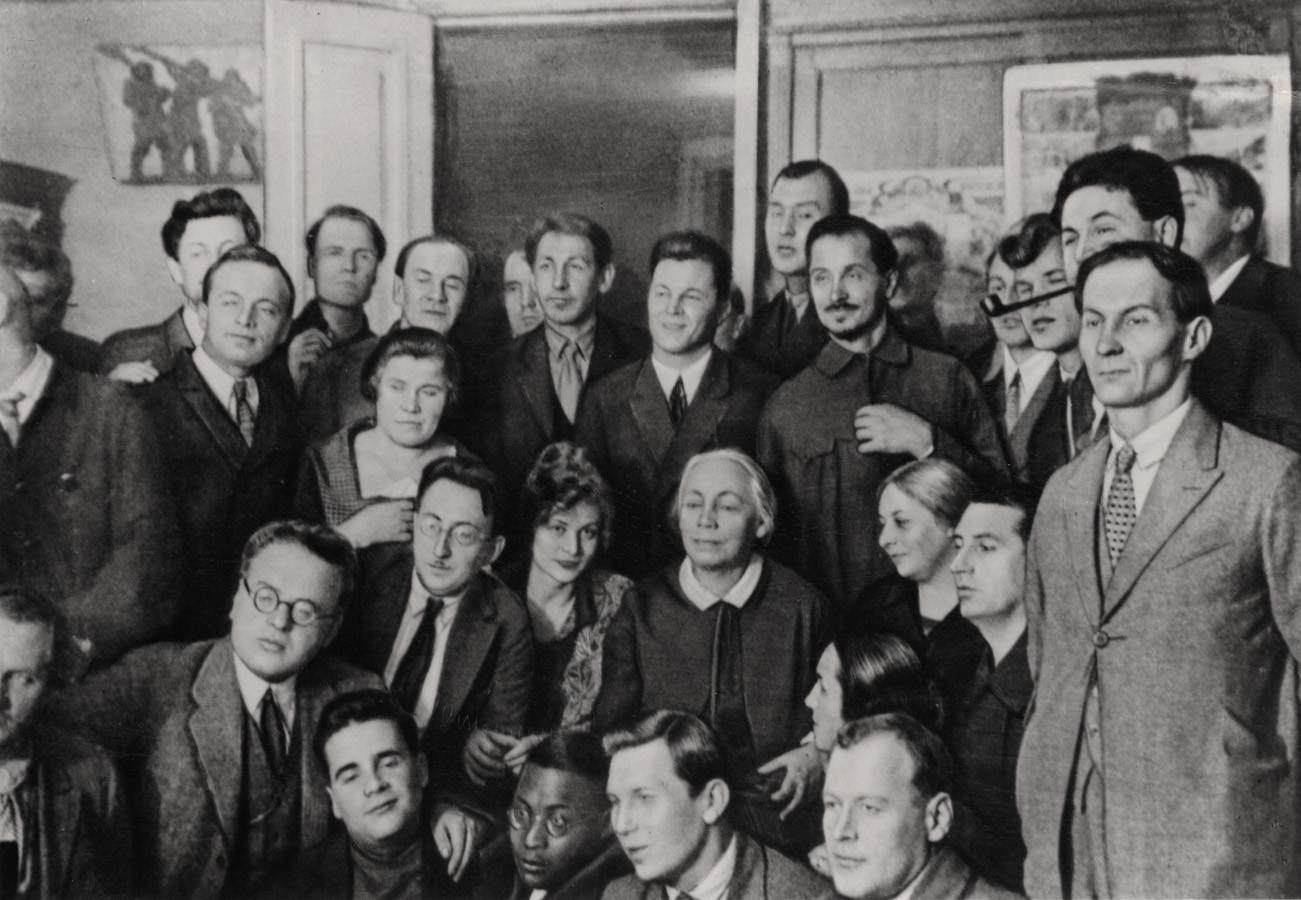
The artist received an invitation to take part in the celebrations of the 10th anniversary of the October Revolution in Moscow and travelled there accompanied by her husband.
Other public figures from Berlin that were invited included the writer and editor Arthur Holitscher, the writer Johannes R. Becher, the women’s rights activist Helene Stöcker and the economist Robert René Kuczynski. The latter was the founder and chairperson of a Committee for the support of a plebiscite that advocated expropriation without compensation of the German aristocracy. This committee was also supported by Käthe Kollwitz.
Käthe Kollwitz wrote about her journey to Russia in her diary:
This is not the right space to explain why I am not a Communist. But what it is appropriate to say here is that the events in Russia in the last 10 years appear to me to be comparable only to the French Revolution with regard to their scale and extensive importance. […] Gorki wrote about flying ›with your soles pointing up‹ in an essay on the first few years of the Soviet Republic. I think I could feel this flying through a gale when I was in Russia.«
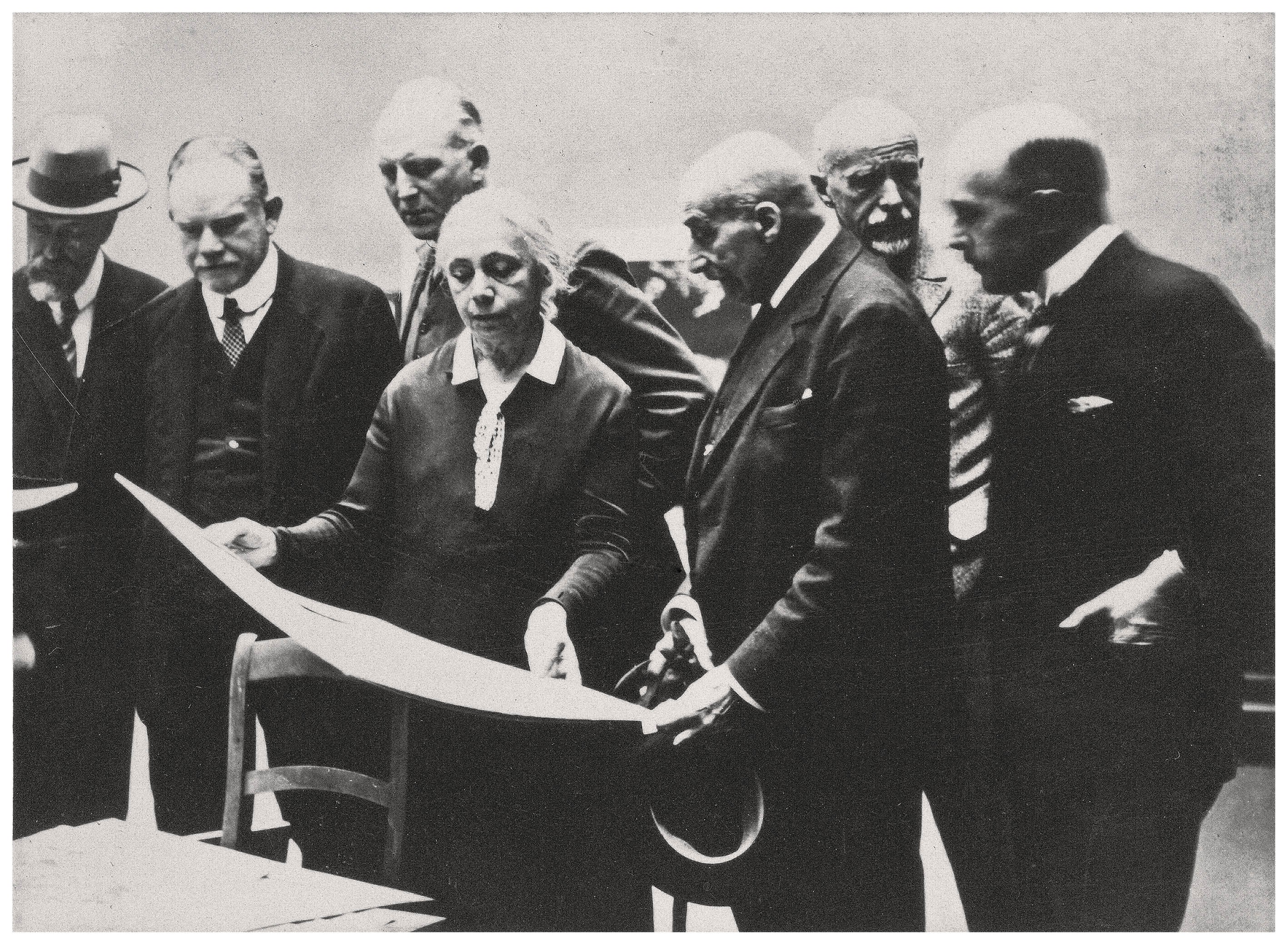
At the autumn exhibition of the Prussian Academy of Arts Kollwitz presented an overview of her entire graphic work on the occasion of her 60th birthday. The exhibits included almost 100 prints and drawings from the artist’s own collection as well as from private and public collections.
Discontinuation of inter-allied military control in Germany.
The combat units of KPD and NSDAP were involved in violent street battles in Berlin.
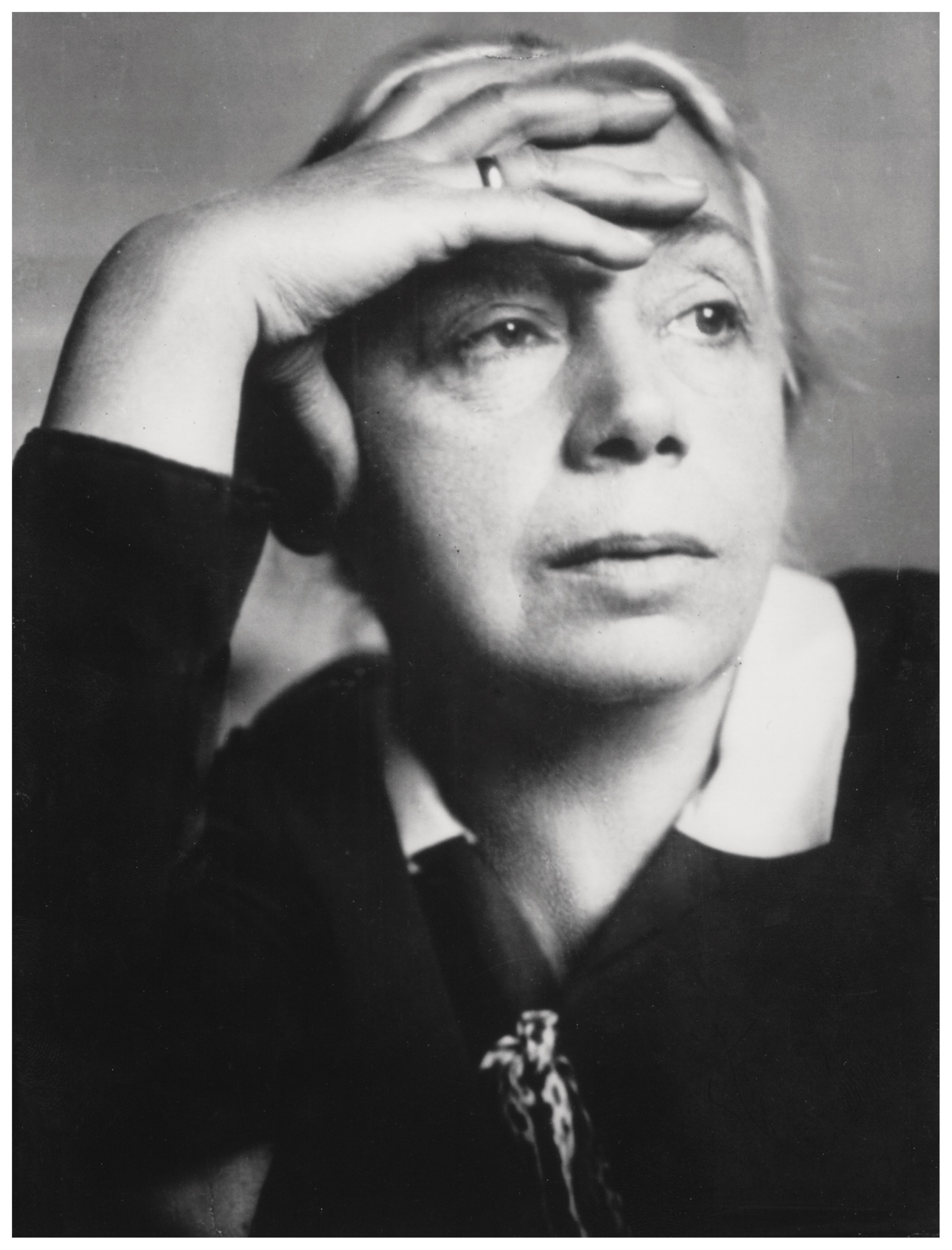
From 1928 to 1933 Käthe Kollwitz was the first woman to direct one of the six master workshops of the Department of Fine Art at the Prussian Academy of Arts. This position also made her a member of the senate. She was given a large studio for her own work.
The same year, the artist had a number of severe heart problems as a result of a flu infection. She was ill for several months and undertook treatment at a spa.
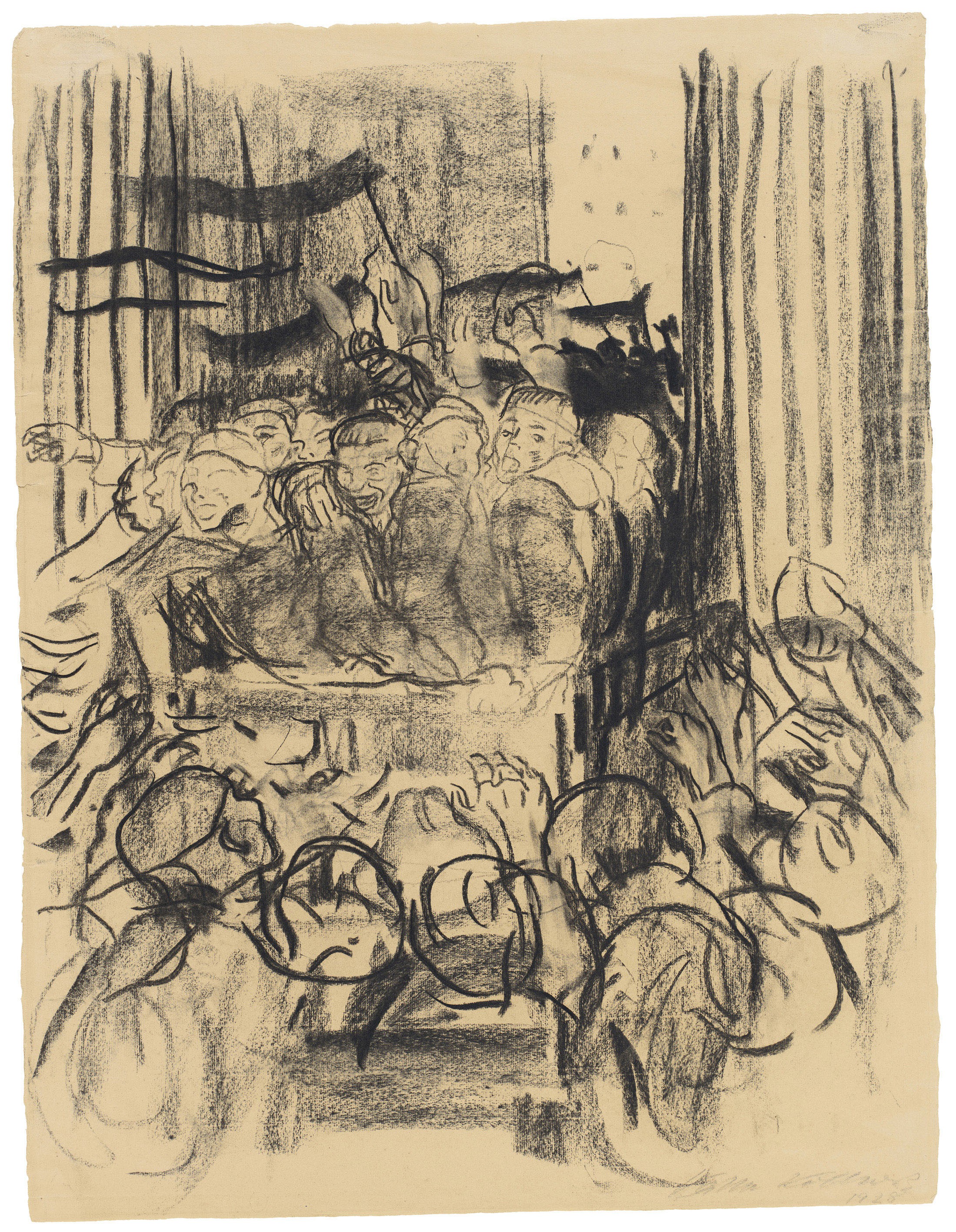
She created several smaller works, among them a drawing for the title page of a brochure in six languages – Never Again War – commissioned by the International Labour Union and a postcard for the SPD in Leipzig commemorating the 10th anniversary of the revolution of 1918, NT 1163 a.
Gerhart Hauptmann (1862-1946) was appointed head of the Department of Literature at the Prussian Academy of Art.
Erich Maria Remarque’s (1898-1970) anti-war novel All Quiet On The Western Front was published as a pre-print in the Vossische Zeitung newspaper.
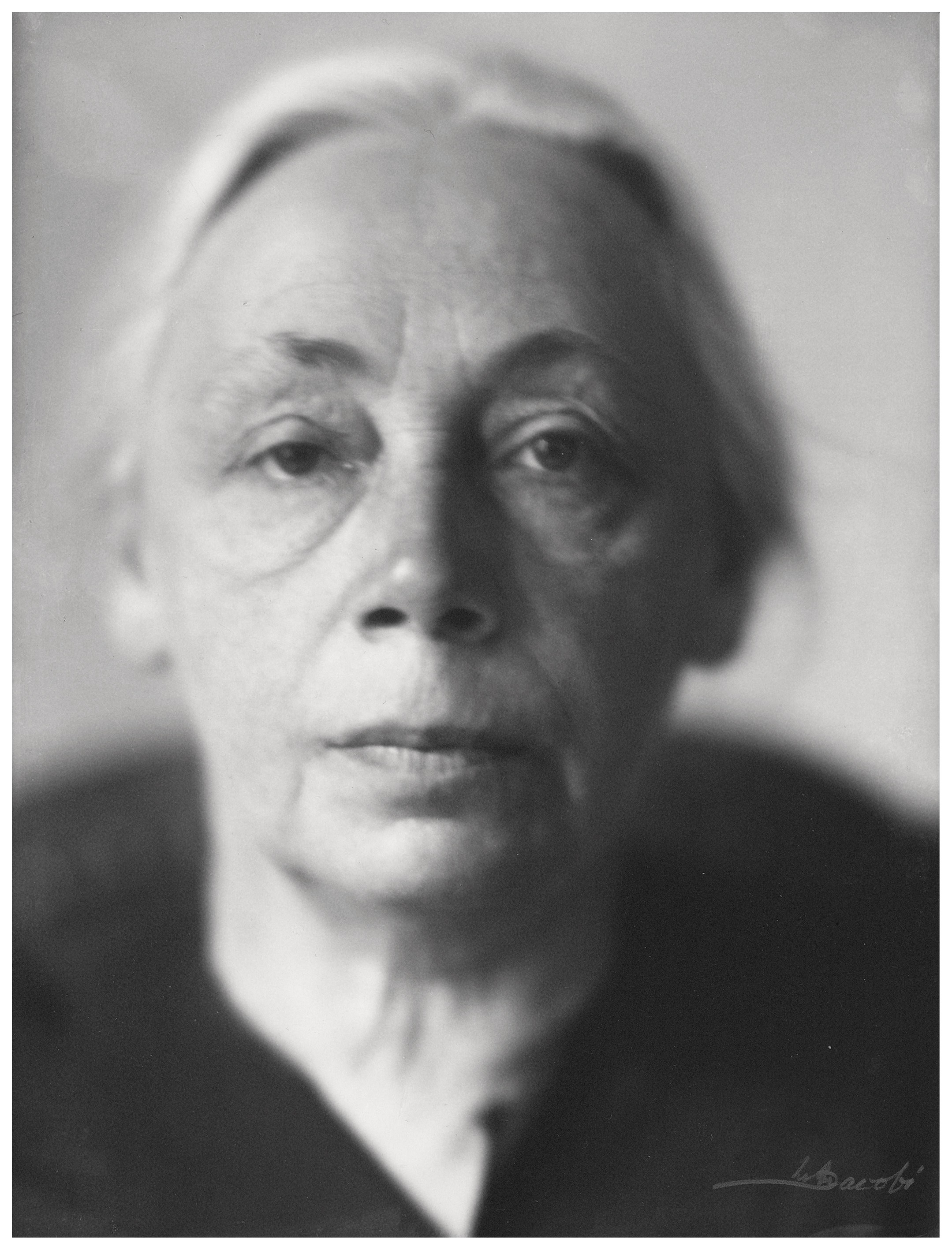
Käthe Kollwitz became the first woman to be awarded the Order Pour le Mérite for arts and science.
In his role as Chancellor of the Order, the theologian Adolf von Harnack (1851-1930), presented the artist with the Pour le Mérite in her studio. Others who were awarded the Order in the Weimar Republic included Max Liebermann, Gerhart Hauptmann, Max Slevogt, Leopold Graf von Kalckreuth and, in 1933, Ernst Barlach. These were artists that would have failed to receive any award under Kaiser Wilhelm II.
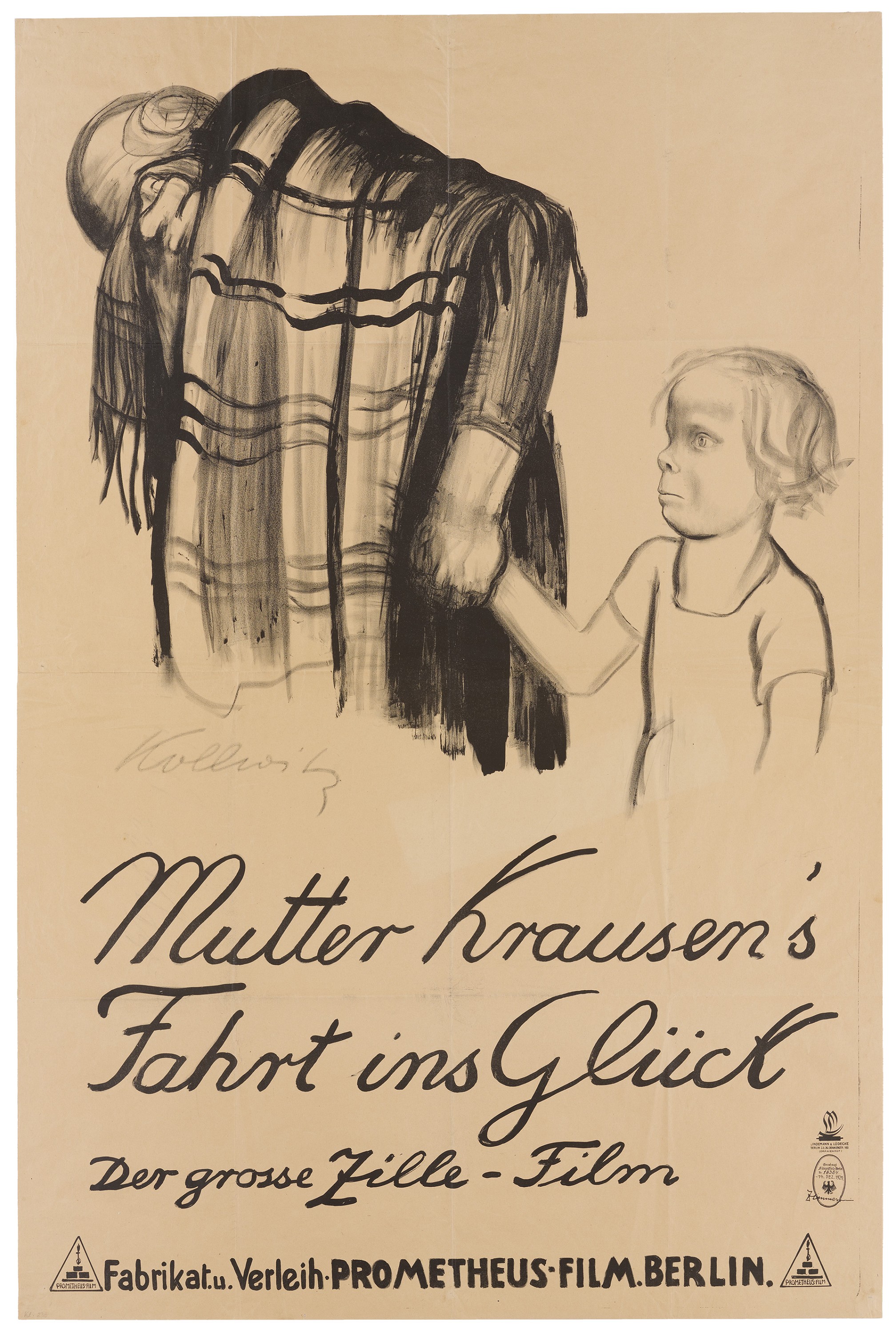
After the death of Heinrich Zille (1858-1929), Käthe Kollwitz and Hans Baluschek (1870-1935) took over the patronage for the film Mutter Krausen’s Fahrt ins Glück to commemorate the artist and Kollwitz designed the film poster. The film was produced with the decisive involvement of Otto Nagel (1894-1967).
Unemployment figures in the Weimar Republic reached 2.8 million.
On 24 October 1929, Black Thursday, there was a massive crash of share prices on the New York stock exchange. The following day, the repercussions reached the European stock exchanges. This stock market crash was the prelude to the world economic crisis.
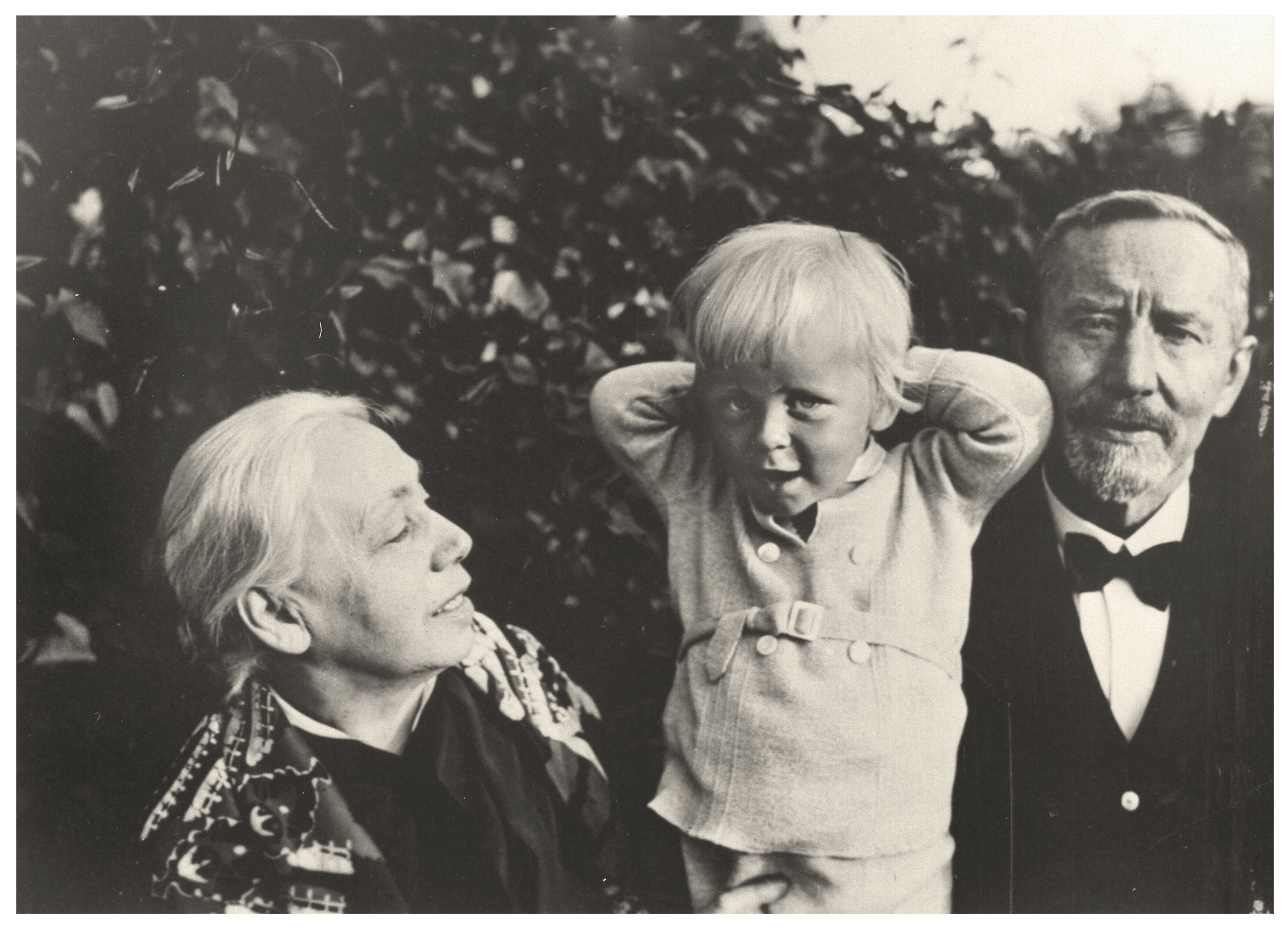
Birth of her youngest grandchild Arne Andreas Kollwitz (*1930).
Professor Dr med Arne Kollwitz was the head physician of the urological department for many years before being appointed medical director at the Sankt-Franziskus Hospital in Berlin.
After the death of his father Hans Kollwitz (1892-1971) he has chaired the community of heirs of the Kollwitz estate.
Käthe Kollwitz signed a petition for the release of the Russian social revolutionary Maria Alexandrovna Spiridovna (1884-1941) who had been taken into custody and banned. The artist also signed a protest note against the banning of Russian scientists.
After Erich Maria Remarque’s (1898-1970) film All Quiet On The Western Front was banned, numerous well-known intellectuals including Käthe Kollwitz, Heinrich Mann and Karl Zuckmayer managed to get the film re-admitted to screens, albeit in an abridged version.
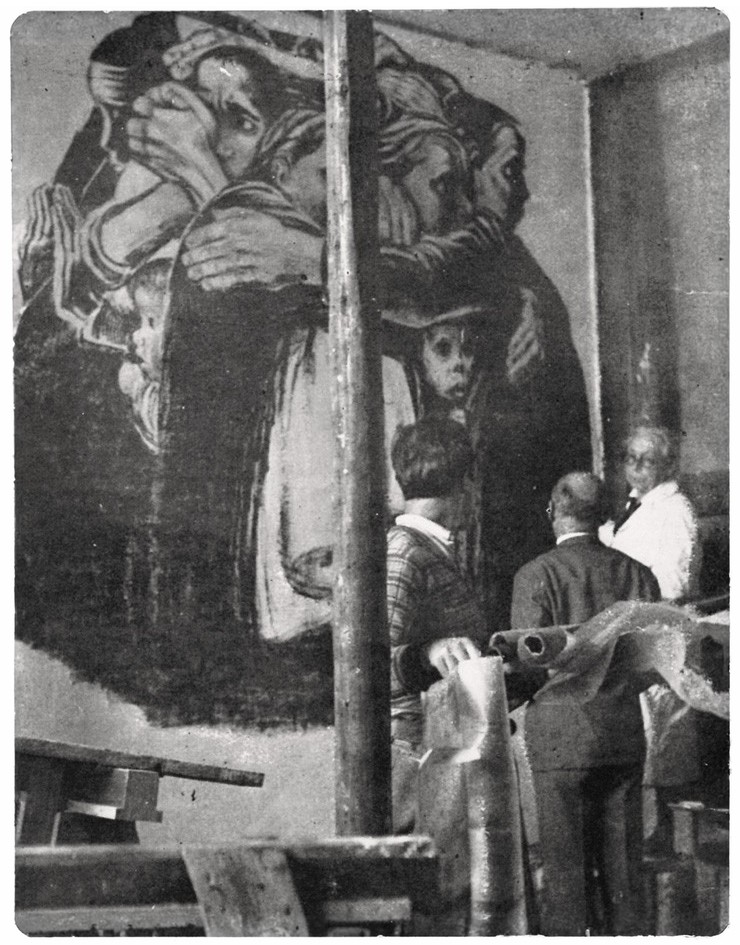
The artist supervises the installation of her work »Mothers« from the War cycle as a graffiti installation in the building of the Workers’ Welfare Association, Saarbrücken, (no longer extant).
With the Young Plan, the German government agreed to a new payment scheme for reparations that accommodated the German request for a reduction of the debt burden.
Unemployment figures reached 3.5 million. At the elections for the Reichstag, the National Socialist Workers Party (NSDAP) enjoyed a massive increase in votes.
Opening of the Pergamon Museum in Berlin.
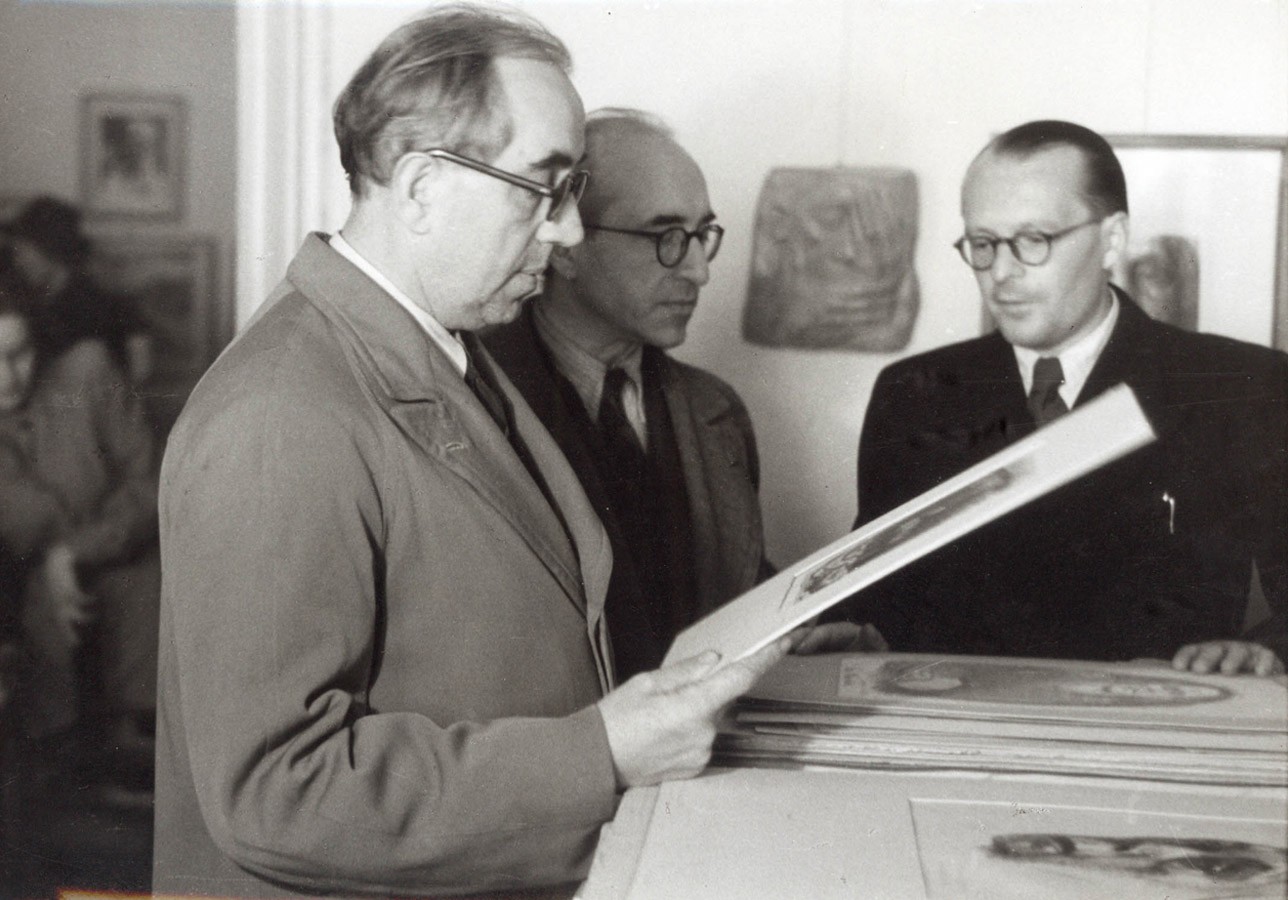
After the bankruptcy of the Dresden art dealer Emil Richter, Alexander von der Becke (1902-58) in Berlin became the new publisher of Kollwitz’ graphic works.
Only two years later, in spring 1933, after Hitler had come into power, the first difficulties started. Although his turnover saw a drastic slump, von der Becke carried on until the closure of his business by the Gestapo in 1941. In 1945, the art dealer was able to resume his work. After his death in 1958, his wife Johanna and their son Bernhard ran the firm until 1974.
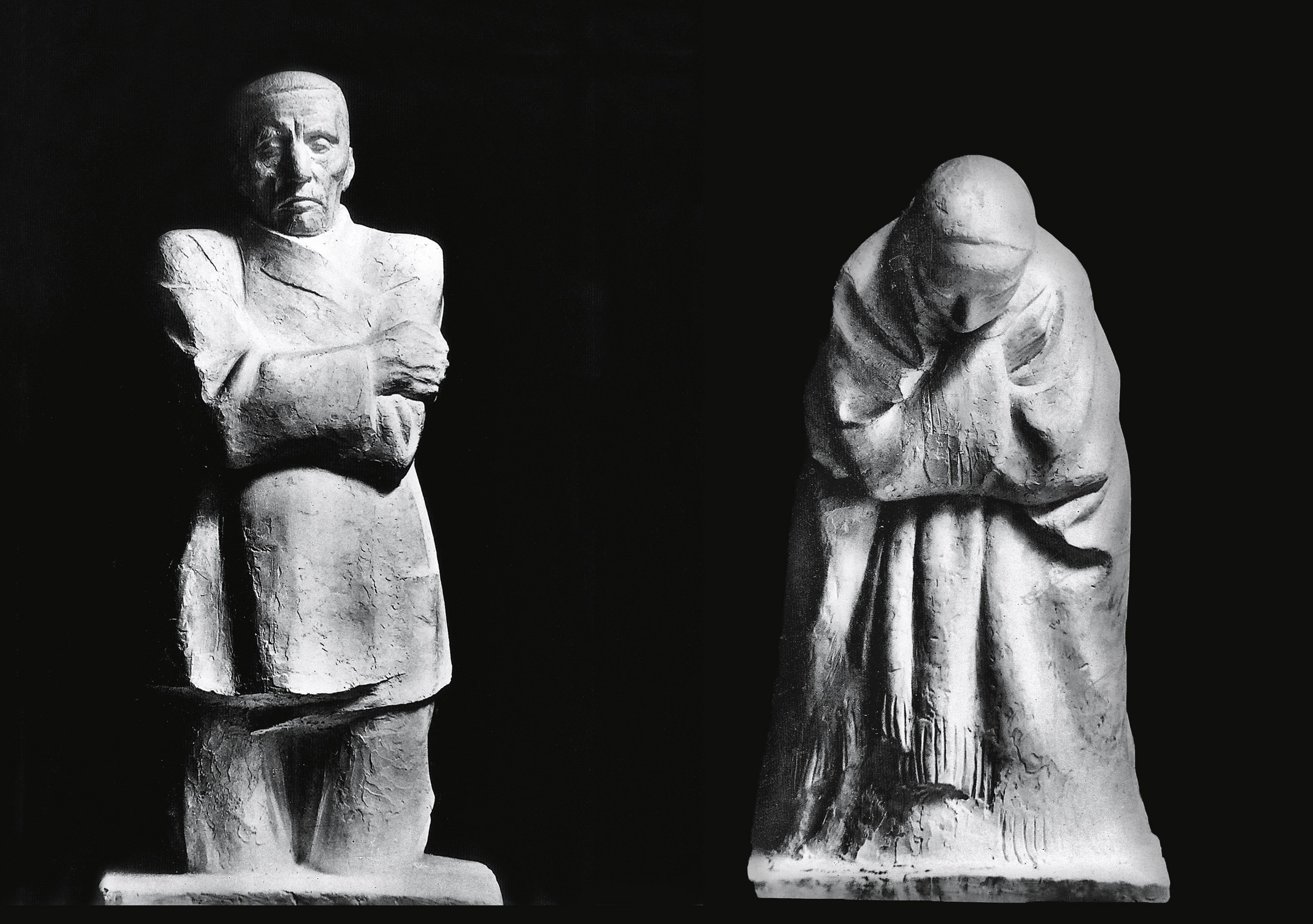
After working on her memorial »Mourning Parents« for 18 years, from 1914 to 1931, Käthe Kollwitz completed a version in plaster and exhibited it at the Prussian Academy of Arts.
This is a great milestone, a very important point in time. I have been working on it for years, in quiet concentration, and let hardly anybody come and have a look – not even Karl and Hans. Now I’m opening the doors wide so that as many people as possible can see it. It is a great step that has caused me worries and anxiety, but it has also made me happy because of the unanimously positive appreciation by my colleagues.«
Unemployment figures reached almost 4.5 million.
On 28 March an emergency decree came into force with the aim of combatting political riots. It led to restrictions with regard to right of assembly and freedom of the press.
The KPD organised Hunger Marches in various cities.
During the Kurfürstendamm Riots of 12 September, Jewish shops were damaged by the SA.
On the occasion of Käthe Kollwitz’ 65th birthday, Otto Nagel (1894-1967) organised an exhibition with 142 works by the artist in Moscow and Leningrad.
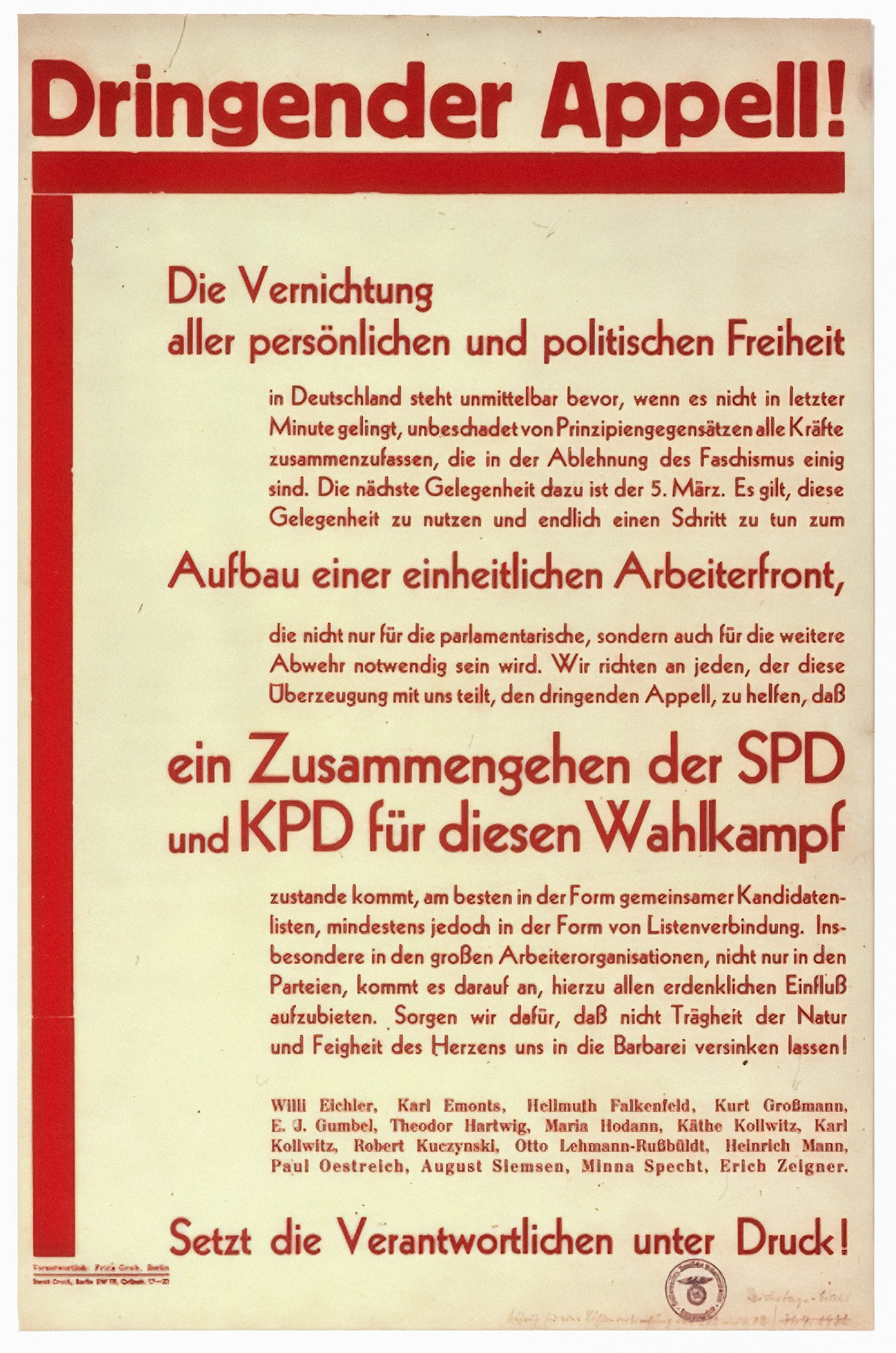
Together with her husband Karl Kollwitz and a further 33 public figures including Heinrich Mann, Albert Einstein, Erich Kästner, Ernst Toller and Arnold Zweig, Käthe Kollwitz signs the Urgent Appeal – a poster campaign appealing for the formation of a unity front of the SPD and KPD to thwart a National Socialist majority.
After Hitler came to power in 1933, Käthe and Karl Kollwitz and a further 19 public figures once again issued a last-minute appeal to the left-wing parties to form a union in order to prevent the impending abolition of any personal and political freedom by a National Socialist government.
Death of Konrad Schmidt (1863-1932), the artist’s brother, on 14 October.
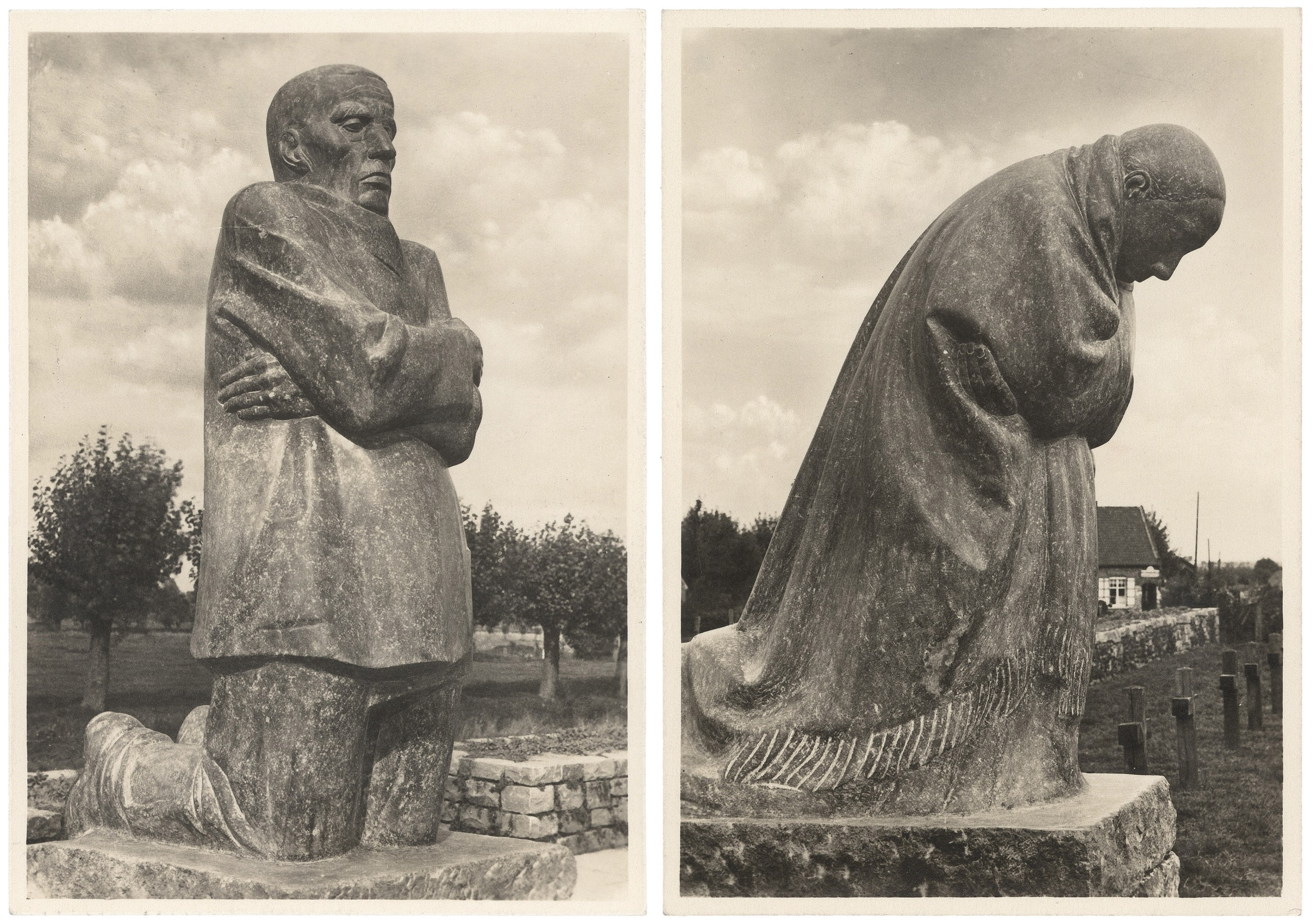
Käthe Kollwitz had the stone version of her sculptures »Grieving Parents« exhibited in the atrium of the Berlin Nationalgalerie.
The same year, this work was installed at the war cemetery in Roggefelde, Belgium.
The sculptures were executed in Belgian granite after the plaster models by the sculptors August Rhades and Fritz Diederich. This was made possible by a donation of the German Reich and the Prussian State on the occasion of the artist’s 60th birthday in 1927.
Ludwig Justi (1876-1957), director of the Berlin Nationalgalerie, acquired the plaster figures for the Kronprinzenpalais.
The installation of the stone sculptures in Roggefelde near Dixmuide were supervised by Käthe Kollwitz. After the cemetery was closed in 1955, the bodies of the fallen soldiers and the memorial were transferred to the war cemetery at Vladslo-Praedbosch.
In 1957 Joseph Beuys and Erwin Heerich, two of Ewald Mataré’s master pupils, made a copy of the sculptures in shell limestone for the National Memorial Alt St. Alban in Cologne. This copy was reduced by 10% compared with the original.
As early as 1910, Käthe Kollwitz began to explore the theme of ‘Mother and Child’ in her sculptural work and returned to it again and again without, however, achieving satisfying results.
It was only in 1932, after finishing her work on the memorial »Mourning Parents«, that the project took shape in the »Mother with two Children« sculpture which she finished in 1936 in a plaster version.
I had already been working on this motif before the war. Then all kinds of things intervened. When I moved from Siegmundshof to the Academy, I had a mould made when the work for the war cemetery was finished. But it had to be changed completely because in the meantime the twins (Jördis and Jutta) had been born and ever since I saw you – a child on each arm – I knew that I had to add another child to the work.«
Rise in unemployment figures to more than 6 million in 1932.
At the elections for the Reichstag in July and November the NSDAP became the strongest party.
In several German cities there were violent confrontations between National Socialists and Communists during the May Day celebrations.
Opening of the first motorway connecting Cologne and Bonn.