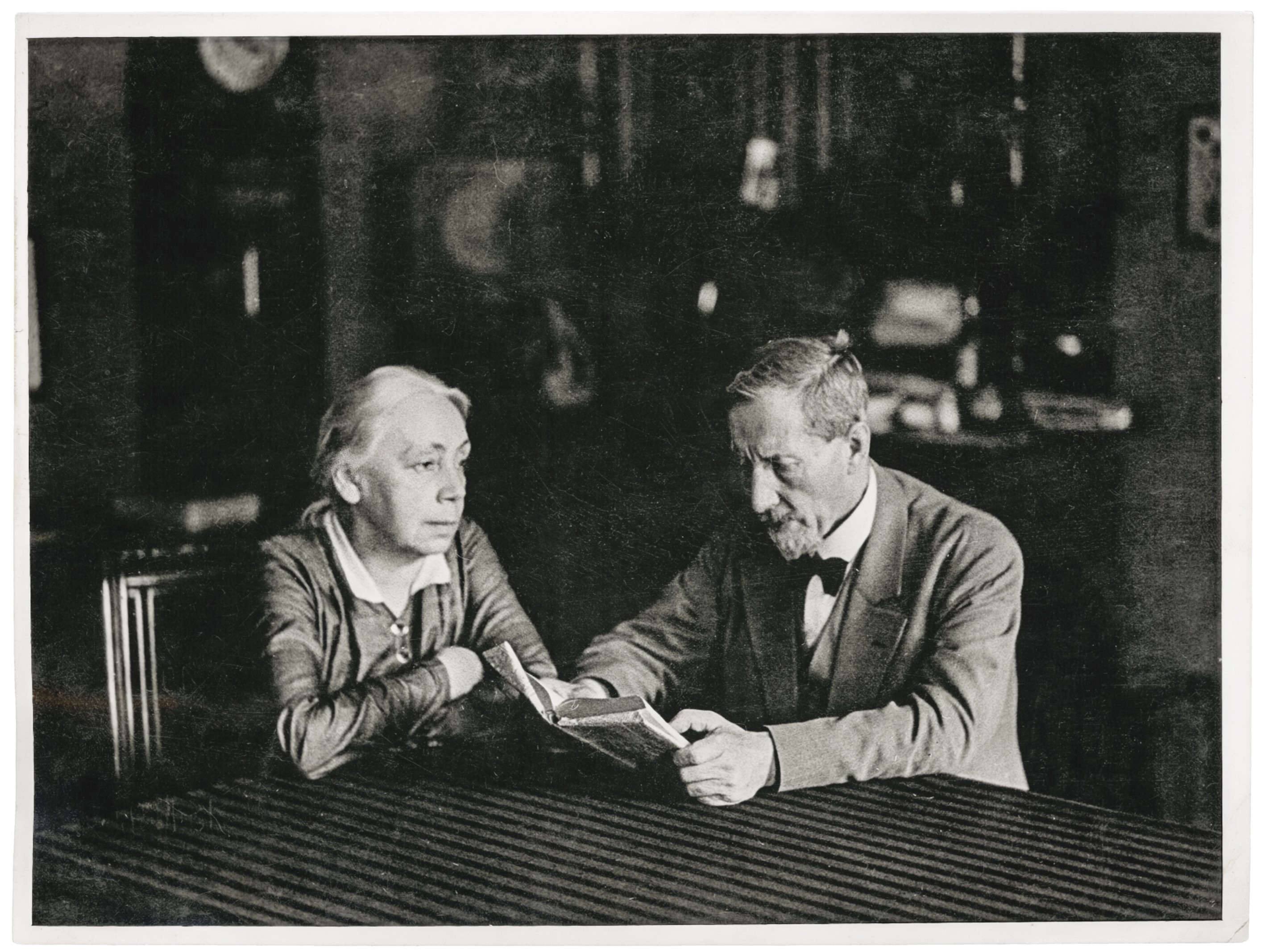
On 15 February 1933 Käthe Kollwitz was forced to leave the Prussian Academy of Arts.
As in 1932, Käthe and Karl Kollwitz and Heinrich Mann (1871-1950) signed an Urgent Appeal after the National Socialist takeover to support a poster campaign urging left-wing parties to unite for the last so-called ›free‹ elections on 5 March 1933.
As a result of their appeal, Heinrich Mann and Käthe Kollwitz were forced to withdraw from the Prussian Academy as the Nazis threatened to close it down otherwise. Martin Wagner (1885-1957), head of the municipal building and control office, left the Academy as an act of solidarity.
Kollwitz’ employment with the State of Prussia, however, continued until her regular retirement date on 15 September 1933. She was allowed to use her studio in Hardenbergstrasse until the beginning of 1934.
In late March 1933 Käthe and Karl Kollwitz travelled – like many other intellectuals, Communists and Social Democrats – to Marienbad in Czechia to avoid being arrested by the National Socialists.
Two weeks later Käthe and Karl Kollwitz returned to Germany and witnessed like-minded friends being arrested or fleeing the country. The artist experienced the persecution of Jews at first hand as her sister Lisbeth Stern (1870-1963) had married into a Jewish family. One of the artist’s major patrons, Max Liebermann (1847-1935), as well as some of her most important collectors, among them Salman Schocken (1877-1959) and Julius Freund (1896-1941) were Jewish.
As a co-founder of the Social Democratic Association of Physicians, Karl Kollwitz lost his licence to practice as a panel doctor for several months. Her son Hans, also a Social Democrat, was temporarily dismissed from his position as school physician.
Hans Kollwitz’ house was searched to confiscate books on his mother.
Karl Kollwitz was again threatened with the revocation of his panel licence in 1934 which would have destroyed the family’s livelihood.
This is the third time that his licence has been revoked, the latest reason given being the fact that he was a member of the League for Human Rights! As he wasn’t – I was a member – their application for revocation will hardly be enforceable. They will have to come up with yet another reason.«
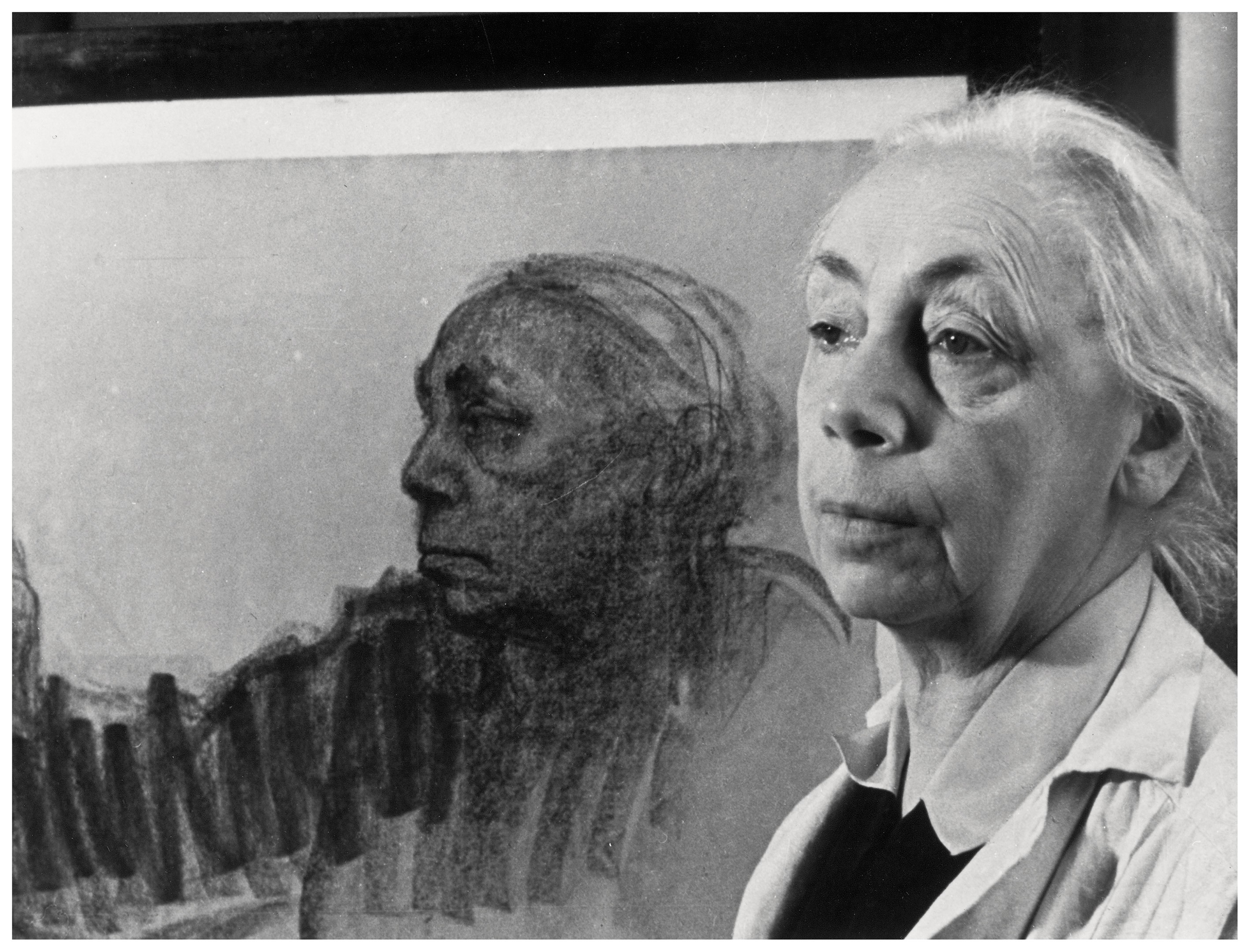
After the takeover by the National Socialists the artist experienced existential anxiety and created her »Self-portrait in profile, looking left, drawing« NT 1240 as an act of artistic self-reassurance.
In the US, the popularity of Käthe Kollwitz rose continuously.
The Worcester Art Museum in Massachusetts organised a Kollwitz exhibition in 1933. In 1934 Harvard University showed prints by the artist, and in 1934/35 there was a countrywide touring Kollwitz exhibition.
The Weimar Republic ended on 30 January 1933 with the appointment of Adolf Hitler (1898-1945) as Reichskanzler.
On 28 February – one day after the Reichstag fire, for which the Communists were blamed – a decree was issued that revoked the basic rights enshrined in the Weimar constitution. Thousands of citizens, mostly Communists, but also Social Democrats, were arrested. Left-wing papers, among them Vorwärts, were henceforth banned.
On 1 April the first call to boycott Jewish shops, banks, doctors and lawyers was issued.
On 10 May books were burned in almost all big cities in Germany – these events were mostly well organised and had been systematically prepared.
On 22 June the SPD was declared a subversive, anti-popular organisation and consequently banned.
Over the course of the following weeks 3,000 Social Democrats were arrested. The first concentration camps for political dissidents – above all Social Democrats and Communists – were built as early as March, among them the camps at Oranienburg near Berlin and at Dachau.
By 14 July all the parties except the NSDAP had been banned or had been voluntarily dissolved.
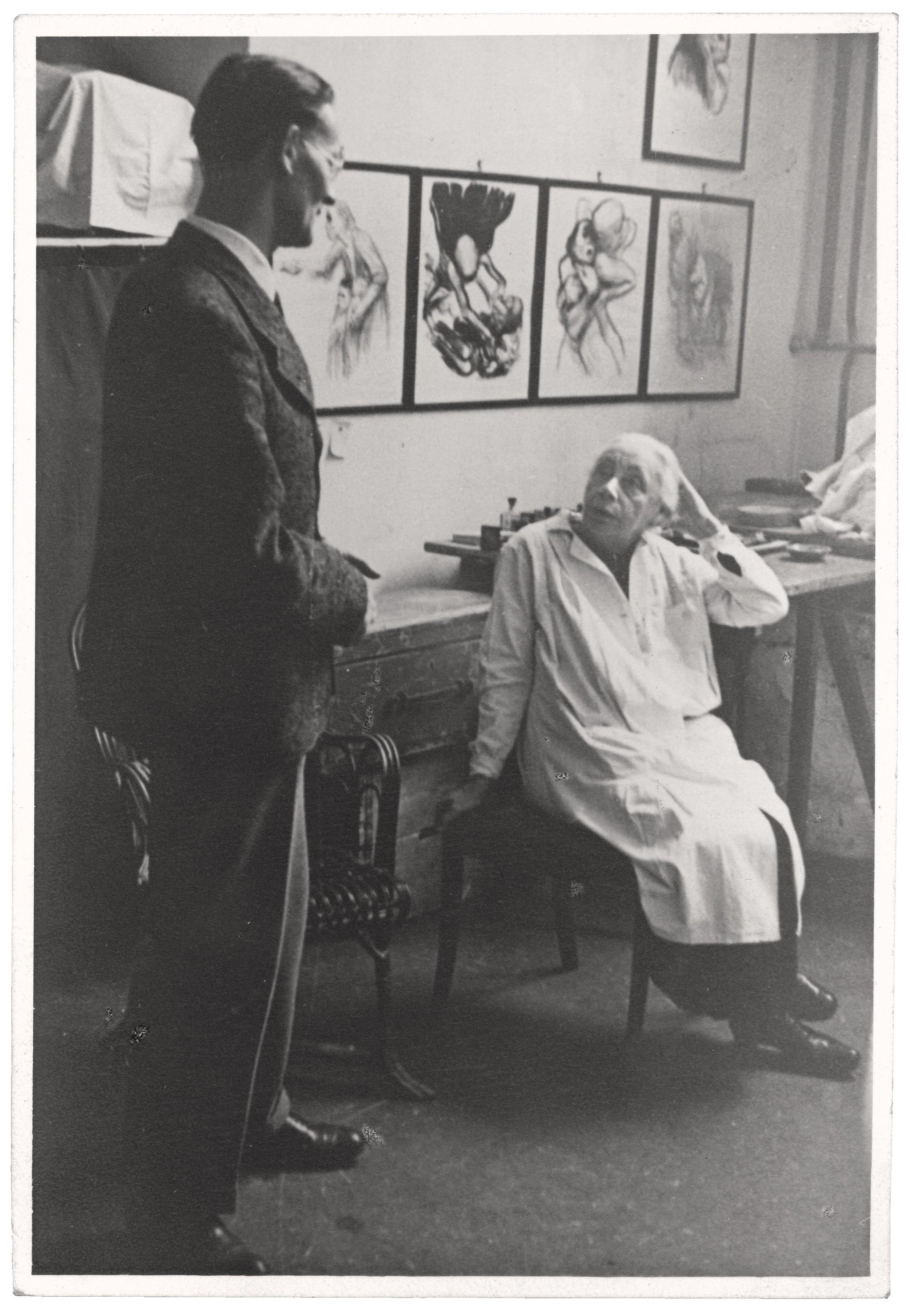
After Käthe Kollwitz had had to leave her studio at the Academy of Arts, she rented a studio at the Klosterstrasse Studio Association from autumn 1934 to 1940.
Despite an indirect exhibition-ban, the artist regularly participated in the annual exhibitions at the Klosterstrasse Studios from 1935 until 1938. She was, however, compelled to exchange works several times as these had been rejected by the ›Reich Chamber of Culture‹.
For her younger colleagues, she served as a model of integrity and perseverance.
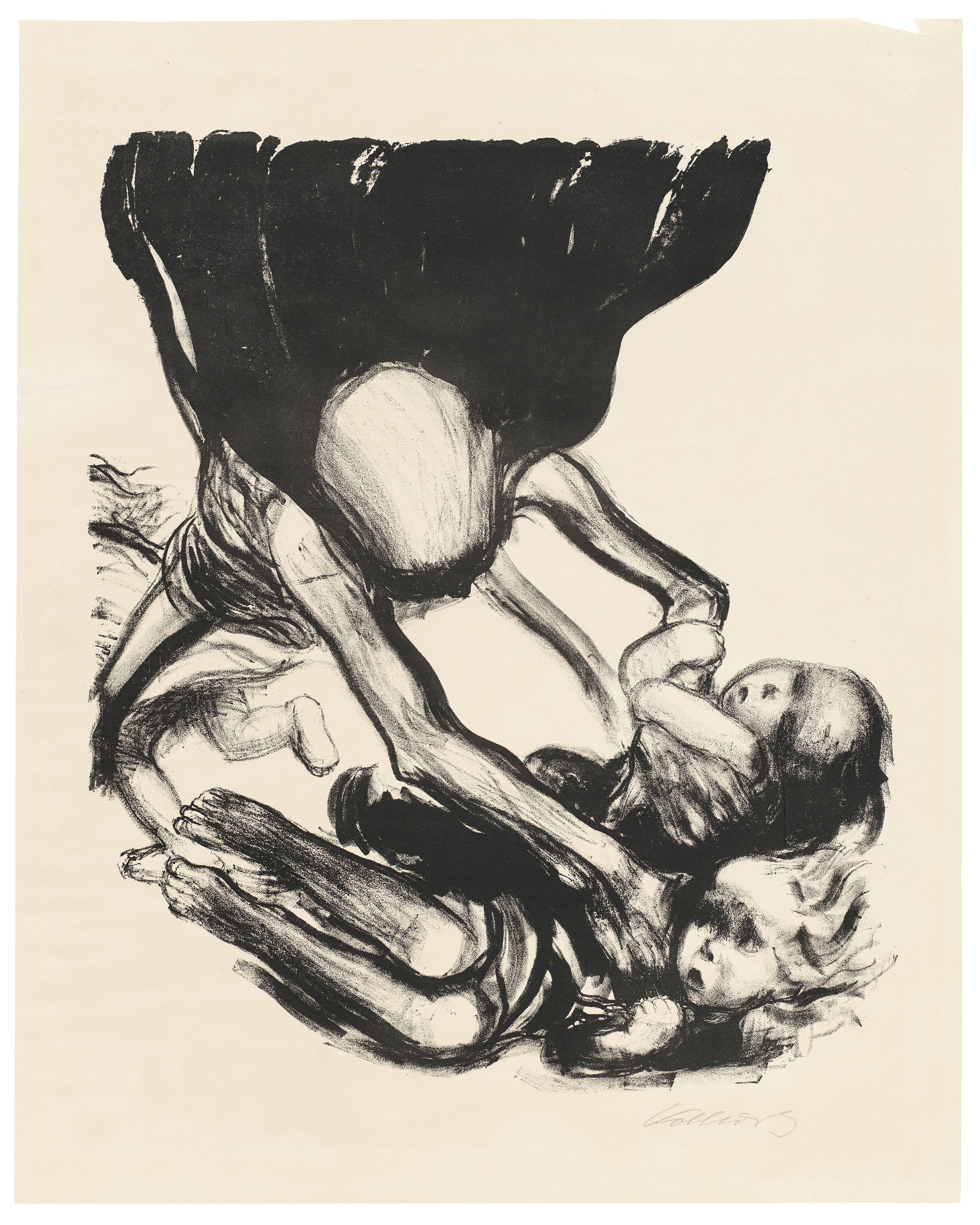
After leaving her studio at the Academy of Arts, Käthe Kollwitz started work on her last print cycle, »Death«, in spring 1934. Five of its folios were shown at the autumn exhibition of the Academy of Arts.
From October she interrupted work on the cycle to refocus on her sculpture »Mother with two Children« at her new studio at the Klosterstrasse Studio Association.
In the night of 30 June to 1 July, leading figures of the SA including chief of staff Ernst Röhm were murdered at Hitler’s command. National Socialist propaganda later presented the event as a preventative measure to thwart an allegedly imminent putsch – the so-called Röhm-Putsch.
In the Saar region, 90% of voters opted for reintegration into the German Reich.
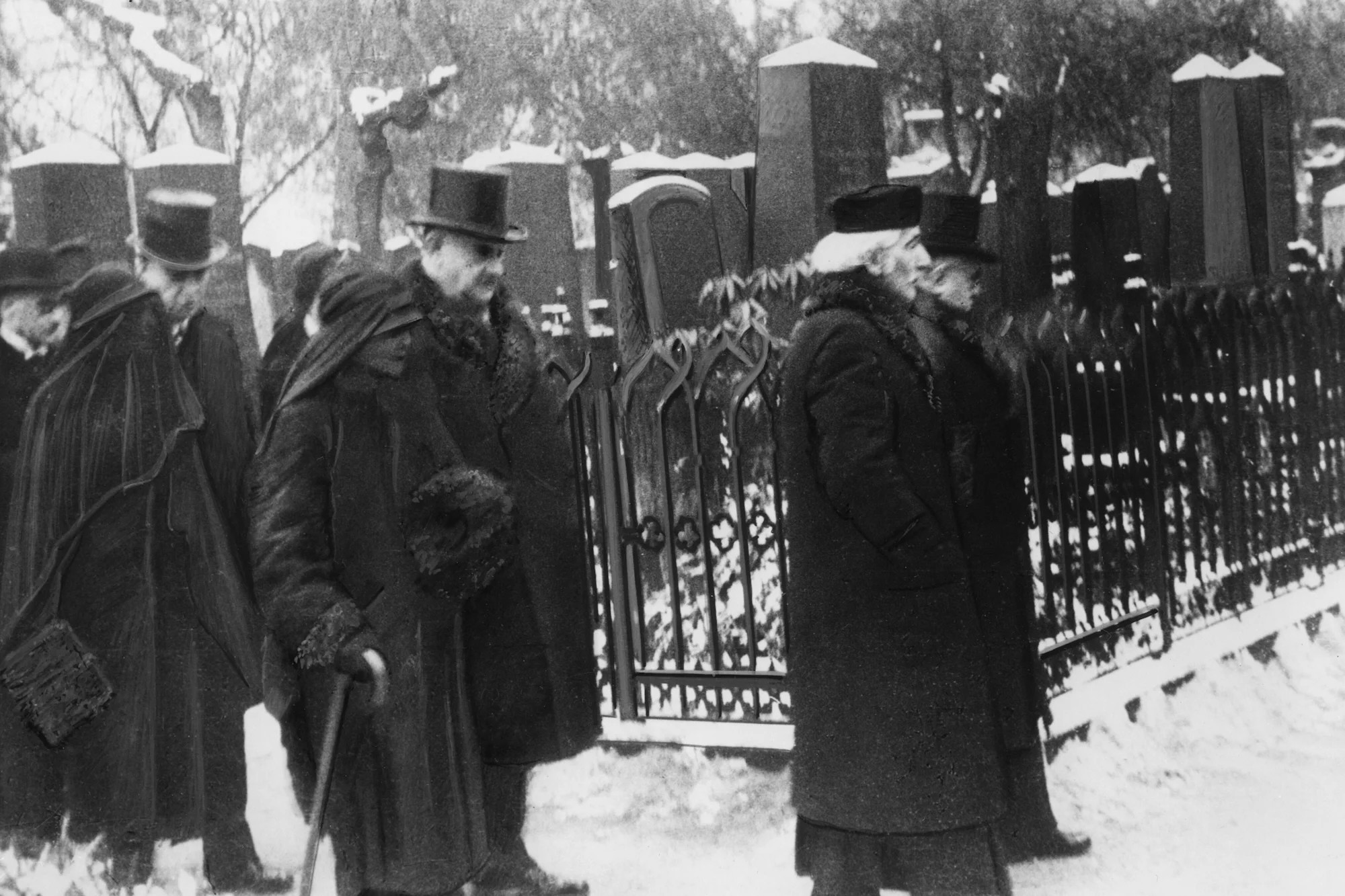
On 8 February Käthe Kollwitz attended the funeral of Max Liebermann (1847-1935) who had been ostracised because of his Jewish background.
The general public in Berlin hardly took any notice of the death of their honorary citizen. The Academy of Art refused to pay any tribute to their former president. Apart from family and friends, there were only four artists following Liebermann’s coffin at the Jewish cemetery at Schönhauser Platz – Käthe Kollwitz, Hans Purrmann, Konrad von Kardorff and Leo Klein von Diepold. When the Jewish Museum in Berlin organised a commemorative exhibition in 1936 which non-Jews were not allowed to visit, Käthe Kollwitz ignored the ban.
In spring 1935, works by Käthe Kollwitz were removed from the exihibition Berliner Kunst at the Neue Pinakothek in Munich and from an exhibition in Düsseldorf in winter 1935/36. In both cases the works were removed shortly before the exhibitions opened.
Few art dealers, among them Ackermann & Sauerwein in Munich, had the courage to offer Kollwitz’ graphic works in their catalogues well into World War II. As a result, her income dried up and she and her husband were increasingly forced to resort to their savings.
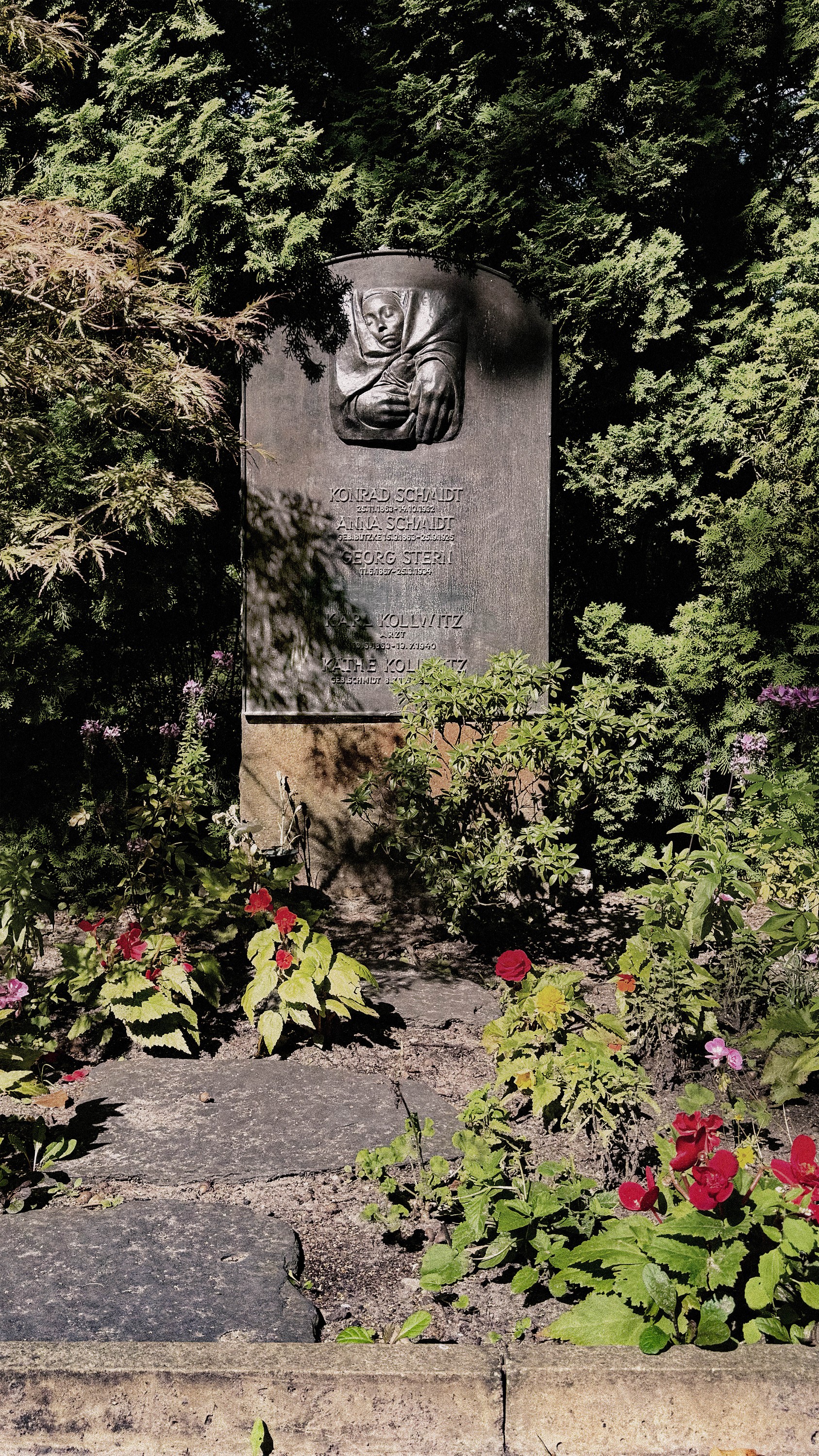
Between 1935 and 1936 Kollwitz created the bronze relief »Rest in the Peace of His Hands«, S 30, for her own family tomb.
The siblings Konrad Schmidt (1863-1932), Käthe Kollwitz and Lisbeth Stern (1870-1963) jointly bought a tomb for themselves and their spouses at the central cemetery in Berlin Friedrichsfelde. After the death of her husband in 1934, Lisbeth Stern asked her sister to create a sculptural work, which Käthe Kollwitz did with the bronze relief she made in 1935/36. As the cemetery became part of East Berlin in the GDR after 1945, it was not possible to bury Lisbeth Stern there in 1963.
The first series of air-raid drills with simulated air alerts and brownouts took place in Berlin in March.
On 15 September the anti-semitic Nuremberg Laws were passed.
The reintroduction of compulsory military service and the establishment of an army of 580,000 troops meant that Hitler was in breach of the Treaty of Versailles.
The Wunder des Lebens (miracles of life) exhibition that opened in Berlin was a large-scale propaganda show to spread the race theory of the Nazis.
The exhibition Frau und Volk (woman and nation) that opened in Düsseldorf emphasised the role of women as mothers and ›household leaders‹.
An article about Käthe Kollwitz in the government-controlled Isvestija newspaper in Moscow falsely claimed that the artist had been in a major financial crisis since the takeover of the Nazis. These claims led to Käthe Kollwitz being interviewed by the Gestapo who threatened to send her to a concentration camp.
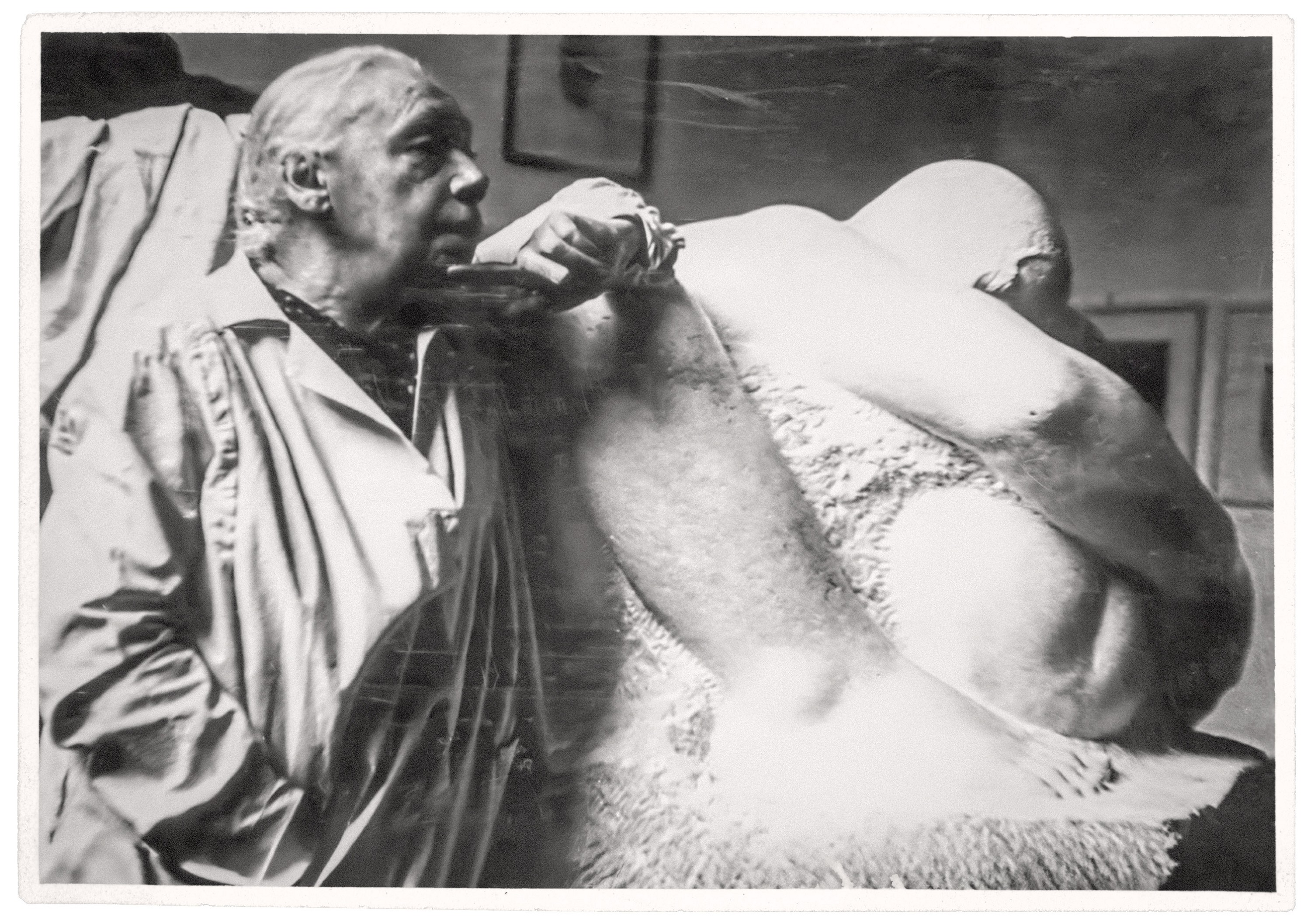
Kollwitz finished her sculpture »Mother with two Children«, S 29, and had the plaster model cast in cement.
On the evening before the opening of the exhibition Berlin Sculptors from Schlüter to the Present Day on the occasion of the 150th anniversary of the Academy of Arts the works by Käthe Kollwitz and Ernst Barlach were removed.
This strange silence when my works were removed from the Academy Exhibition and then from the Kronprinzenpalais. Hardly anybody has anything to say to me about this. I had thought that people would come or at least write to me – but no. Such strange silence surrounding me – it is something that has to be experienced.«
Among the works by Kollwitz that were to be exhibited at the Kronprinzenpalais was a plaster cast of the mother figure from the »Mourning Parents«. The upper floor of that venue which houses two sculptures by the artist was closed by the National Socialists on 30 October, but was still accessible for interested visitors.
The conquest of a new Lebensraum (lit. living space) was the most urgent priority of Nazi foreign policy.
On 7 March 1936, 30,000 army troops crossed the Rhine bridges thus beginning the German invasion of the demilitarised Rhineland. By occupying a 50-km wide zone, Hitler was both in breach of the Treaty of Versailes of 1919 and the Locarno Pact of 1925.
Olympic Games in Berlin
In a decree of 27 November Joseph Goebbels (1897-1945), in his role as president of the ›Reich Chamber of Culture‹, banned any form of art criticism. In future there would only be the official art coverage.
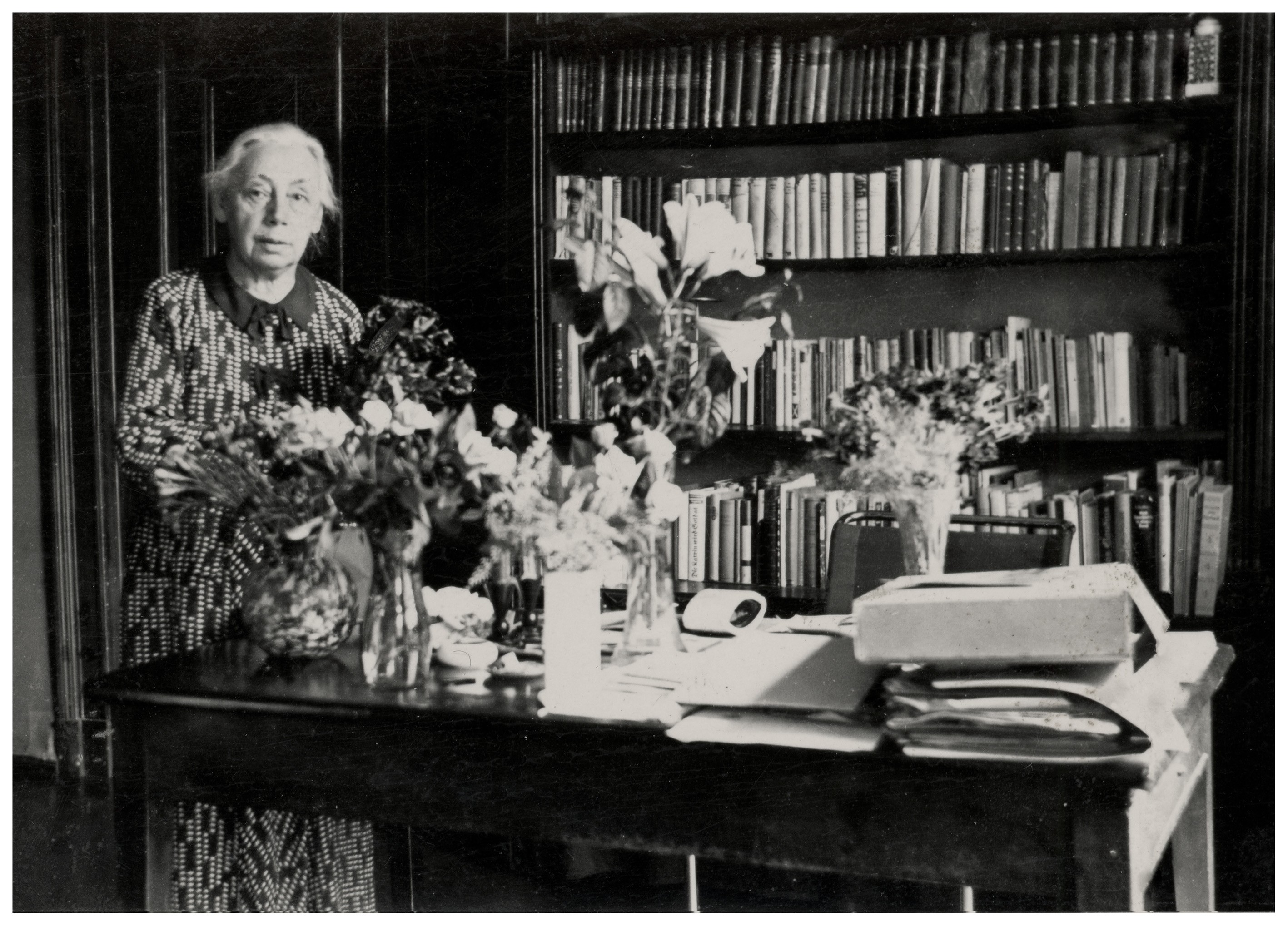
Celebration of Käthe Kollwitz’ birthday on 8 July 1937.
In Nazi Germany, works by Kollwitz are confiscated from at least eleven German museums as part of the 'Degenerate Art' campaign. The works were either sold, exchanged or placed in the commission warehouse of the Reich Ministry for Public Enlightenment and Propaganda. The art dealers entrusted with the 'exploitation' of Kollwitz's works were Bernhard A. Böhmer, Karl Buchholz and Hildebrand Gurlitt.
In addition, all plans for anniversary exhibitions in honour of the artist were thwarted.
After Käthe Kollwitz had been banned from taking part in the anniversary exhibition at the Academy of Art in 1936, the renowned Nierenhof Gallery in Berlin revoked their pledge to stage an exhibition in commemoration of the artist’s 70th birthday.
The last project at Nierendorf, which seemed to be absolutely certain to go ahead, […] has again disappeared into thin air. Cancelled – always the same reason. I find it really hard to get used to the thought that I, whose participation had been an honour in the past, now have to remain silent. I think I have finally understood.«
In the US, by contrast, interest in Kollwitz’ works grew continuously. In 1937 and 1939 galleries in New York and Los Angeles presented her works.
The Berne art dealer and author of the first complete catalogue raisonné of Käthe Kollwitz’ prints, August Klipstein (1885-1951), won the approval of the gallerist Hudson Walker (1907-1976) to stage an exhibition of her prints in New York. In Los Angeles, the book dealer Jake (Jacob) Zeitlin (1902-1987) organised a small travelling exhibition of the artist’s works.
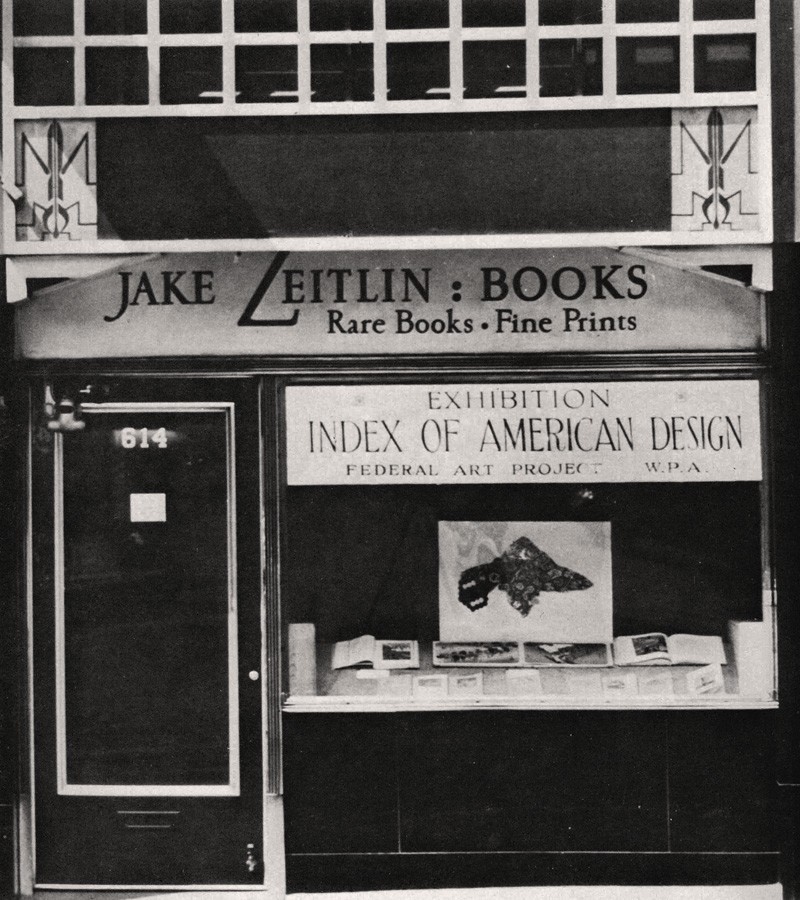
In the US, by contrast, interest in Kollwitz’ works grew continuously. In 1937 and 1939 galleries in New York and Los Angeles presented her works.
The Bern art dealer and author of the first complete catalogue raisonné of Käthe Kollwitz’ prints, August Klipstein (1885-1951), won the approval of the gallerist Hudson Walker (1907-1976) to stage an exhibition of her prints in New York. In Los Angeles, the book dealer Jake (Jacob) Zeitlin (1902-1987) organised a small travelling exhibition of the artist’s works.
From 1938 onwards, more art dealers began to advocate the work of Käthe Kollwitz in the US, among them Curt Valentin (1902-1954) at the New York Buchholz Gallery, and from 1943 Otto Kallir (1894-1987), manager of the Galerie St. Etienne in New York, took a particular interest in her.
American museums and collectors such as Lessing J. Rosenwald (1891-1979) built up substantial Kollwitz collections with their assistance.
I am of course delighted that a terrain seems to be opening up for my work in America. I was naturally somewhat depressed to realise that in his country you are already regarded as deceased, or rather as someone who no longer has a right to live. Being ignored and kept under wraps – that was their method. Now something is blossoming on the other side of the Atlantic, which I find gratifying.«
Encouraged by her first exhibition successes in the US, Käthe Kollwitz relaunched her work on her print series »Death« which she had interrupted in 1934.
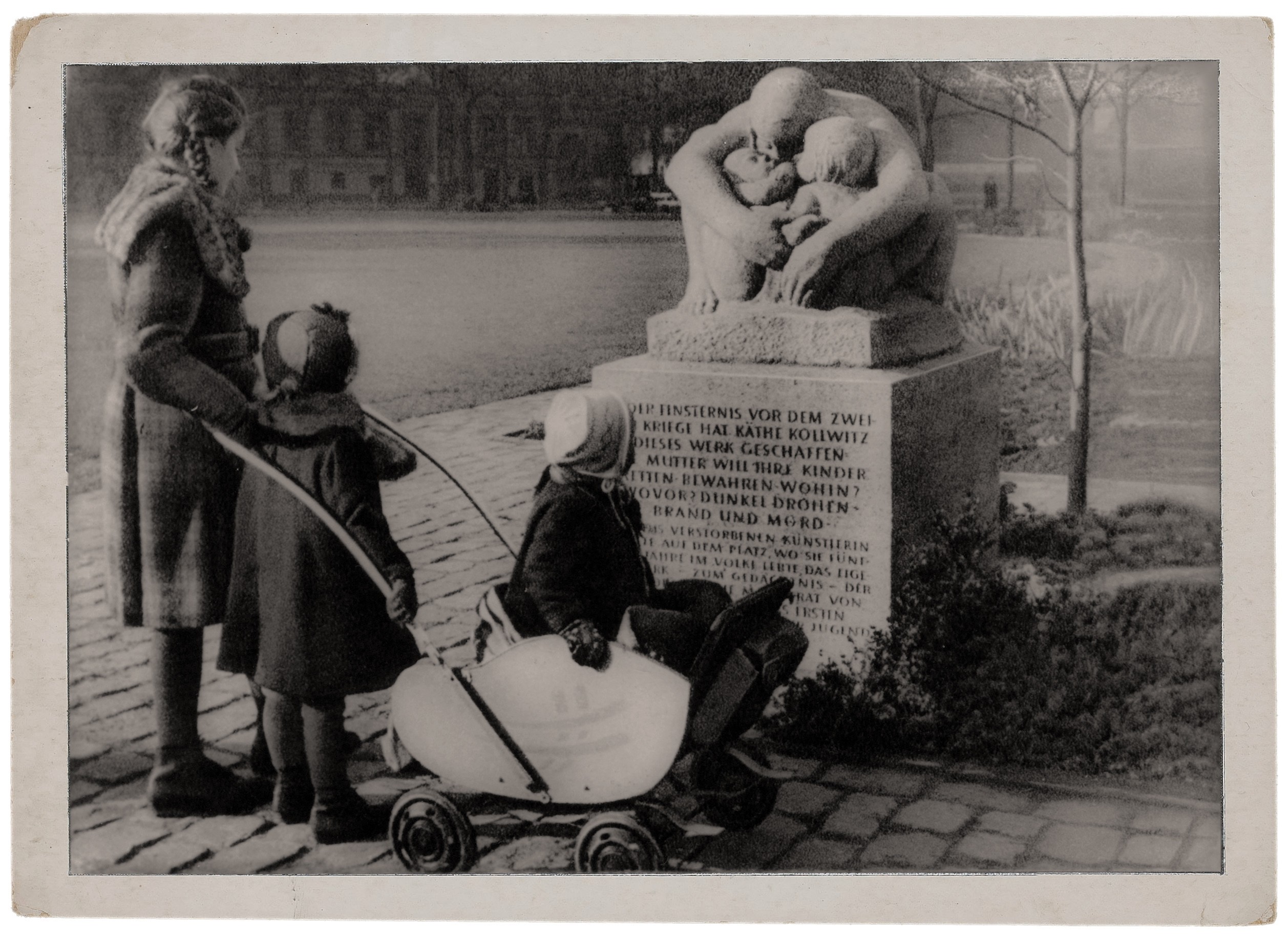
The artist had her sculpture »Mother with two Children«, S 29, executed in shell limestone by the sculptor Erich Geisler (1901-1983) in the inner courtyard of the Klosterstrasse Studio House. Kollwitz financed the work with money made available by her friend and painter Leo von König (1871-1944). This stone version was lost in World War II.
In 1949 the municipal authorities of East Berlin had a copy made in shell limestone by Fritz Diederich (1869-1951) and installed it in Kollwitzstrasse where the artist’s house was before it was destroyed in 1943.
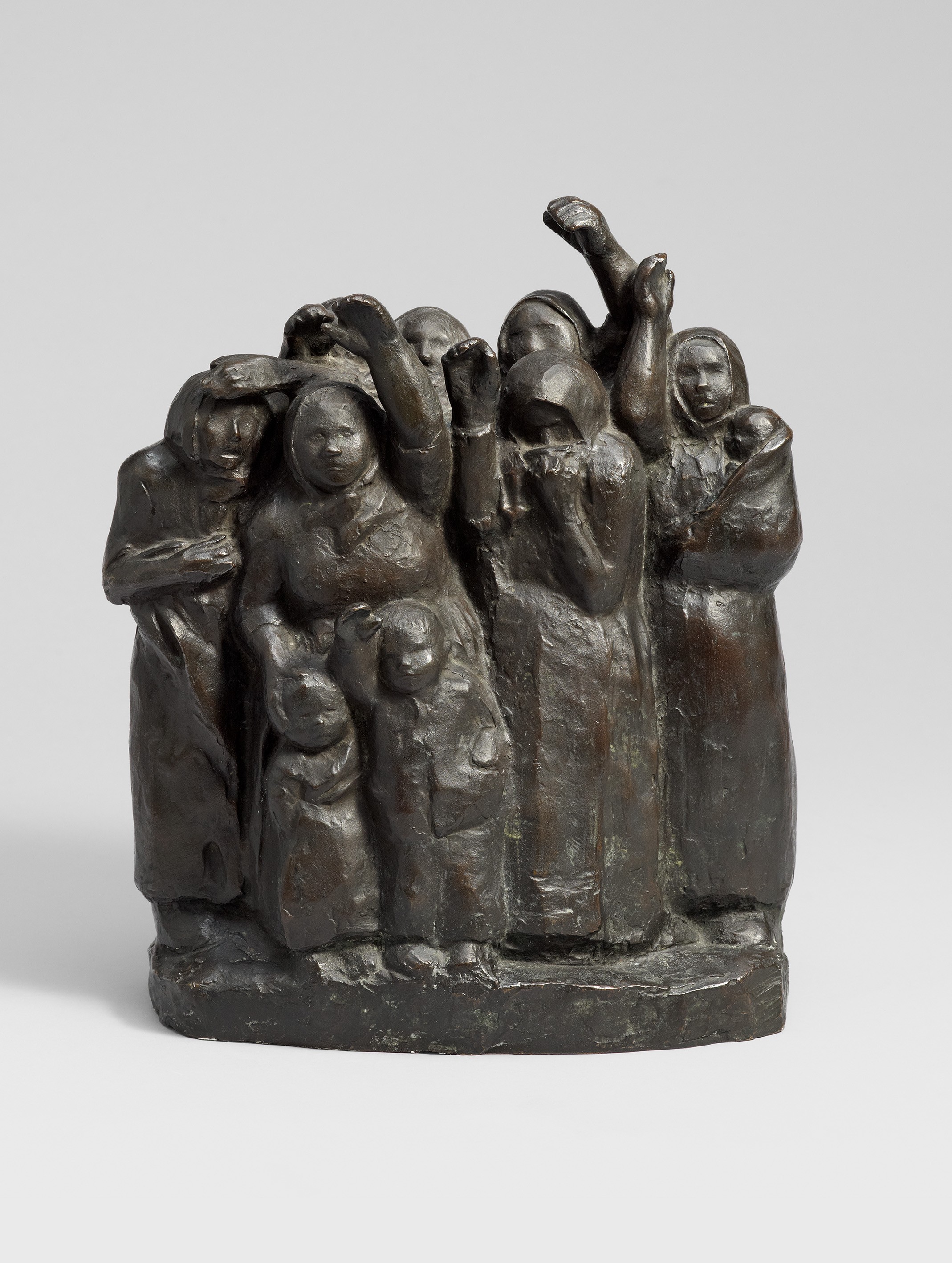
After completing the sculpture »Mother with two Children« she created mainly small-scale sculptures between 1937 and 1943 as these – according to the artist – would not hurt her heirs and did not cost much. Besides, she said, they could be produced in any room and did not exceed her strength.
Kollwitz worked in parallel on the »Soldiers’ Wives waving Farewell«, 2nd version, S 32, the »Tower of Mothers«, S 35, and the »Pietà«, S 37.
Attack by the German air force on the Spanish town of Guernica.
Opening of the Degenerate Art exhibition in Munich
On 27 October Käthe Kollwitz travelled to Güstrow to attend the funeral service for Ernst Barlach (1870-1938).
I happened to arrive at his house and studio before the others […]. The coffin is in the middle of the room. He has been laid out in a solemnly opulent fashion. A black carpet and white atlas blankets. Barlach is tiny. He is lying there, his head bent to one side, as if he wanted to hide himself. His outstretched hands placed next to each other are very small and bony. On the walls around him his silent figures […]. Above the coffin the mask of the Güstrow cathedral angel.«
In Güstrow she met Barlach’s friend Hermann F. Reemstma (1892-1961). This art dealer and patron tried to support Kollwitz in the years to come by acquiring a number of her drawings from the Berlin Buchholz Gallery which became the basis of his important Kollwitz collection.
The artist was deeply shocked by the events of the Pogrom Night.
During the Pogrom – in 1938 – I was in my studio on Klosterstrasse. From there I went to Königsstrasse where all those atrocities had already happened. When I returned home, Karl was away. He had gone to the Jewish quarter. It was one of the most horrific things I have ever experienced. Karl told me what he had seen. He often halted and spoke in a faltering voice.«
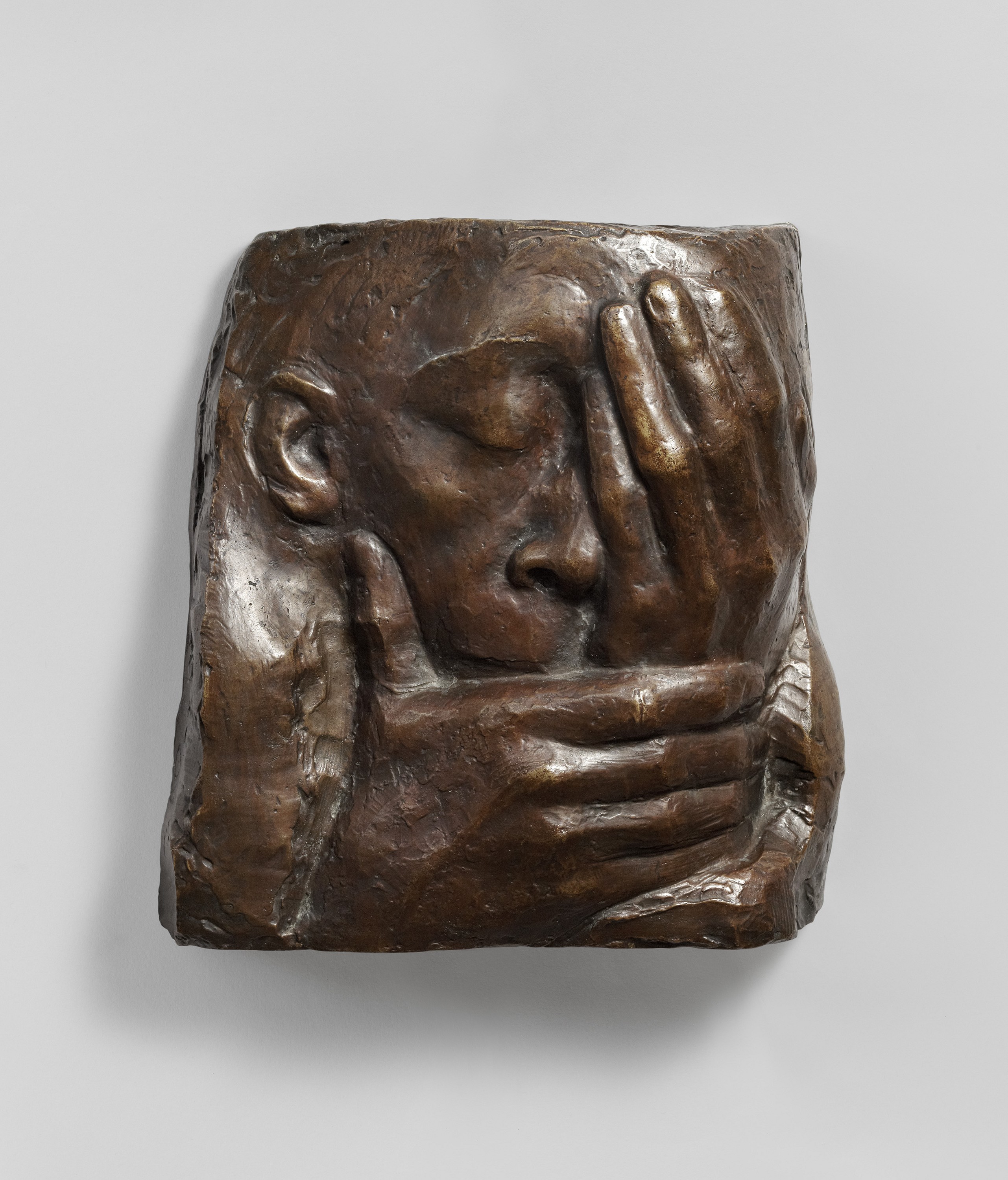
After the funeral, Käthe Kollwitz made a drawing from her memory of the dead Ernst Barlach (1870-1938) lying in the open coffin.
Her mourning was also expressed in her work on the bronze relief »The Lament«, S 38, which she completed in 1940.
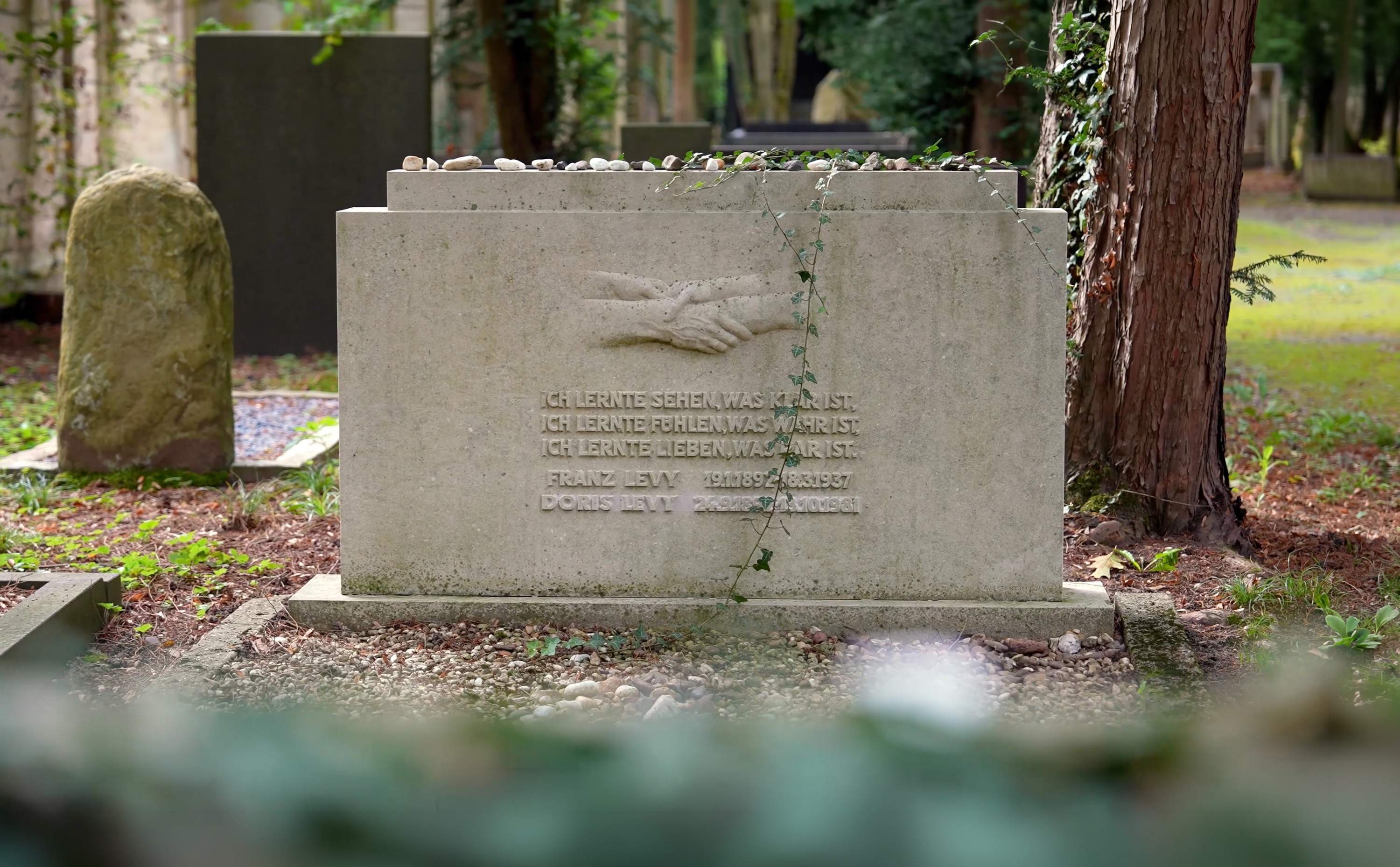
The artist received a commission for the design of a »Tombstone for Franz Levy«, S 34B, at the Jewish cemetery in Köln-Bocklemünd.
Franz Levy (1892-1937) was a member of the board of the Cologne-based department stores' group Leonhard Tietz AG. As a Jew, he had to leave the company in 1934 and founded his own business consulting firm before he died in 1937. The two sons Helmut and Henry are taken to Great Britain in 1938 on one of the Kindertransports, daughter Marlies and wife Doris also emigrate there in 1939.
Despite the increasing persecution of Jews, Käthe Kollwitz managed to accept the commission by Levy’s widow Doris Levy.
In December 1938 she wrote that the motif of the »clasping hands« had been intended to express the »feeling of indestructible solidarity«, also with regard to the Pogrom of 9 November:
I have again and again thought of you, dear Mrs Levy. My thoughts not only go to your husband’s tomb, but also to you. Believe me, we all suffered deeply together. We feel pain and shame and outrage.«
The plaster relief was re-created as a stone version by the sculptor Friedrich Bursch from Hamburg who had contributed to the Barlach memorial in Hamburg in 1931.
Bursch had already reworked the shell limestone sculpture »Mother with two Children« from 1937 which was destroyed in World War II.
In March, German and Austrian National Socialists instigated the Annexation of Austria into the German Reich.
The Munich Agreement of October 1938 led to the Sudeten-German areas being ceded to the Reich.
During the Reichspogromnacht on 9 November, the persecution of Jews before the Second World War reached a sad climax. This was followed by unprecedented discrimination and exclusion of Jews from public life.
The Degenerate Art in Berlin campaign meant that henceforth works of art could be seized without compensation.
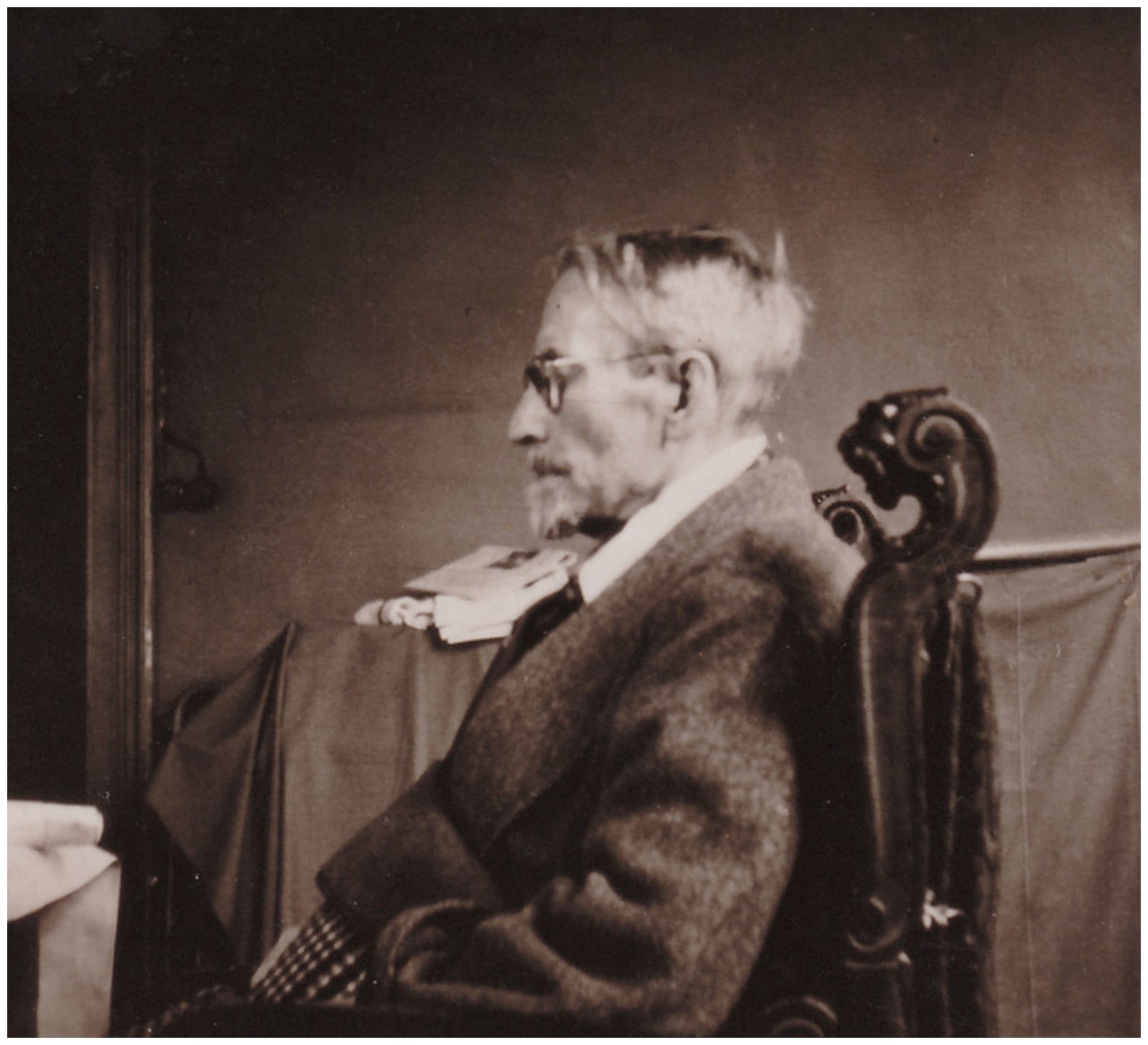
Karl Kollwitz (1863-1940) had to give up his surgery for health reasons.
After the annexation of the Sudetenland and parts of Slovakia into the German Reich in 1938, German troops occupied the remaining territory of the Czechoslovakian Republic in March 1939 within the framework of the military campaign Break-up of the rump of Czechoslovakia.
The German attack on Poland on 1 September triggered World War II.
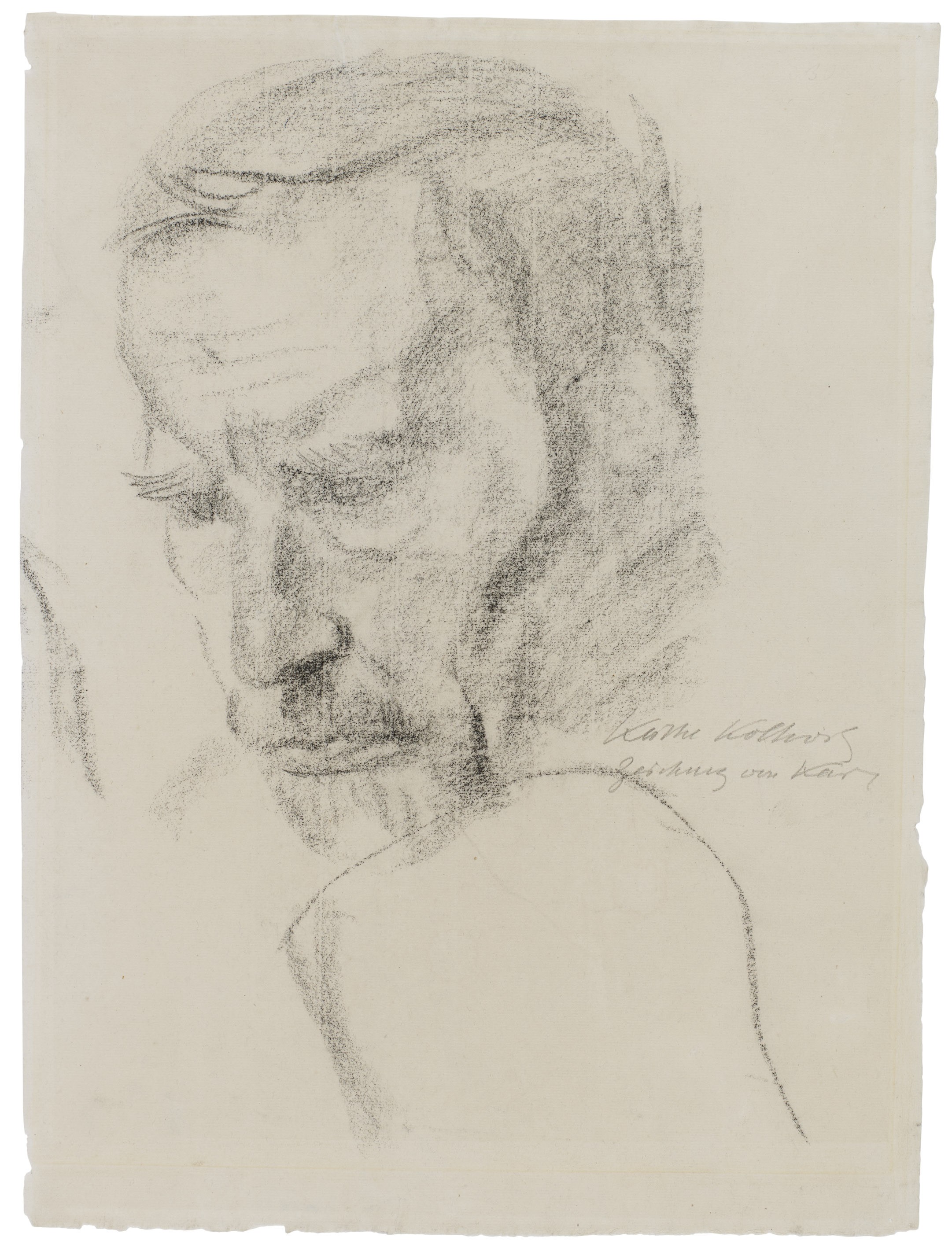
Death of Karl Kollwitz (1863-1940) on 19 July.
Peter Kollwitz (1921-1942), the artist’s grandson was drafted for the campaign against France.
For health reasons, Käthe Kollwitz gave up her studio in Klosterstrasse.
I gave up my studio in Klosterstrasse […] and moved everything into my own flat. This seems appropriate given my current condition. As my strength has declined very much – I use a walking stick when I go down into the street etc. – I would only occasionally be able to go to the studio from here. But here, in my own home, where my workroom is also my bedroom, where everything I need is handy and close by, I manage to work for half an hour or so when I feel strong enough.«
Clara Stern, the niece of Georg Stern, the deceased husband of her sister Lisbeth, lived in the flat in Weissenburgerstrasse after the death of Karl Kollwitz and looked after the artist.
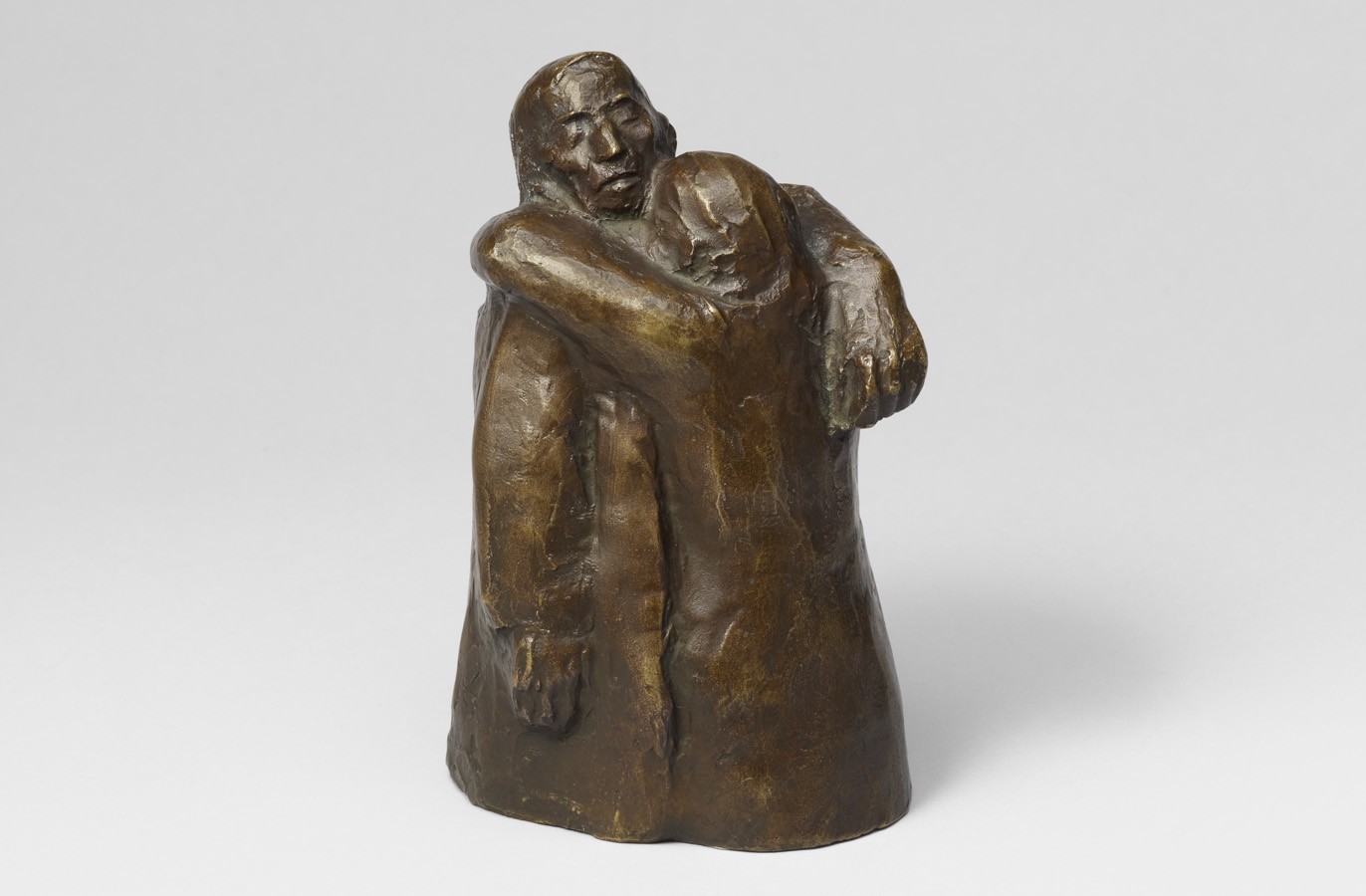
The small-scale sculpture »Farewell«, S 39, was created between 1940 and 1941.
Aware that the death of her husband Karl Kollwitz (1863-1940) was close – since a severe illness in 1939 his strength had declined visibly – the artist began work on a bronze group in February 1940 which she finished in early April 1941. This small group – like almost all other bronze works by the artist from 1940 onwards – was cast by the Noack foundry in Berlin Friedenau.
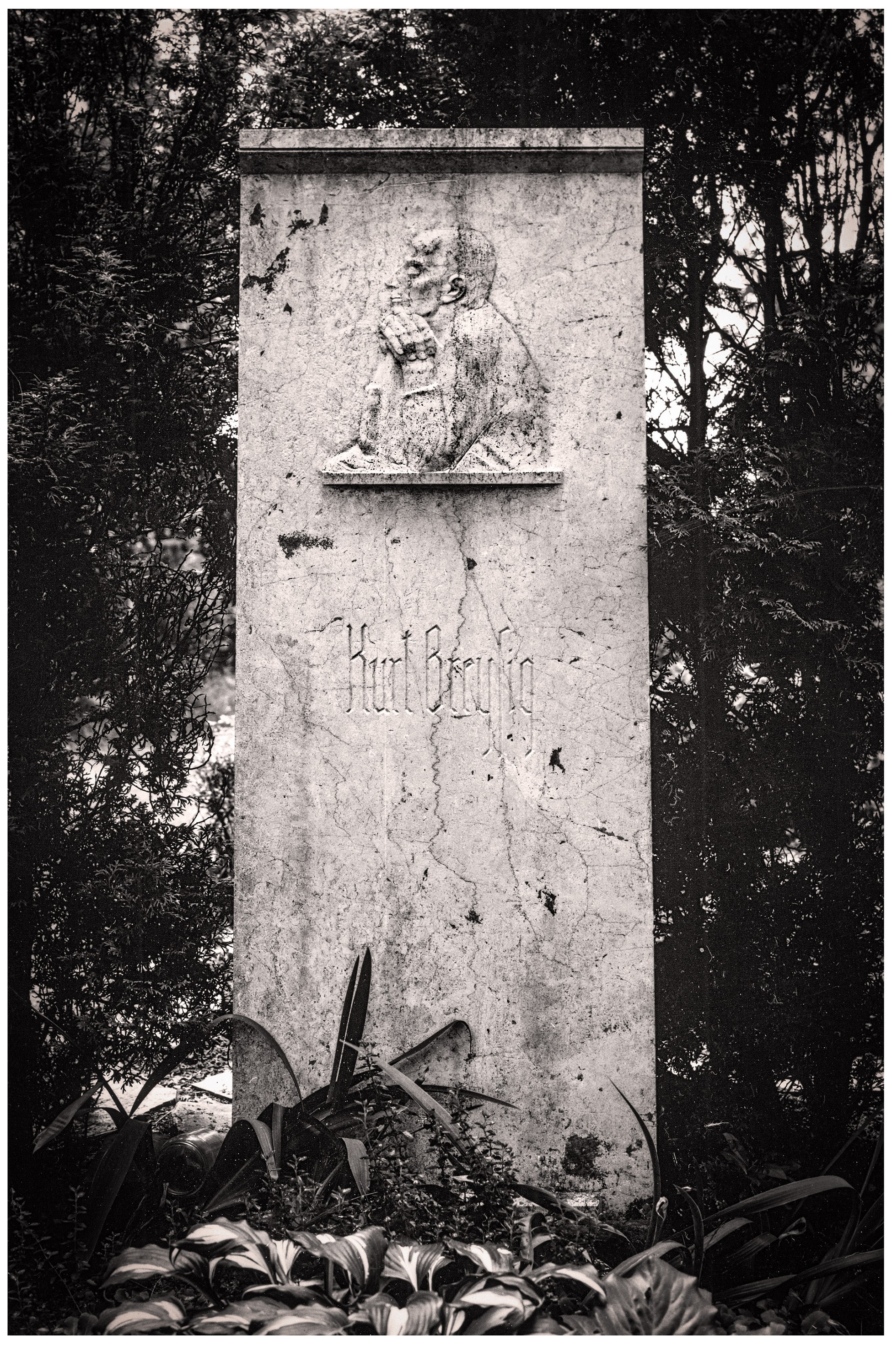
At the same time, the artist worked on a commission for a grave relief for Kurt Breysig (1866-1940).
Gertrud Breysig, the widow of the historian, commissioned Käthe Kollwitz after her husband’s death in 1940. Kurt Breysig had been held in great esteem by the artist’s son during the period of the youth movement before the First World War.
The sculptor Fritz Diederich (1869-1951), who had also executed the mother figure for the »Mourning Parents« memorial in stone on behalf of the artist, executed the stone version in 1943.
Germany’s western campaign in May 1940 ended with the capitulation of the Netherlands on 15 May, Belgium on 28 May and the separation of France into an occupied and non-occupied part on 26 June.
Construction of the Auschwitz concentration camp in Poland in May 1940 by the SS.
First allied air raids on Berlin in June 1940.
Käthe Kollwitz was hit by an almost complete lack of income. Apart from a monthly sum of 120 marks, sent to her by her editor Alexander von der Becke (1902-1958) for signing prints before the Gestapo closed his publishing house, she had hardly any other earnings.
The artist wrote her autobiographical work Rückblick (retrospective).
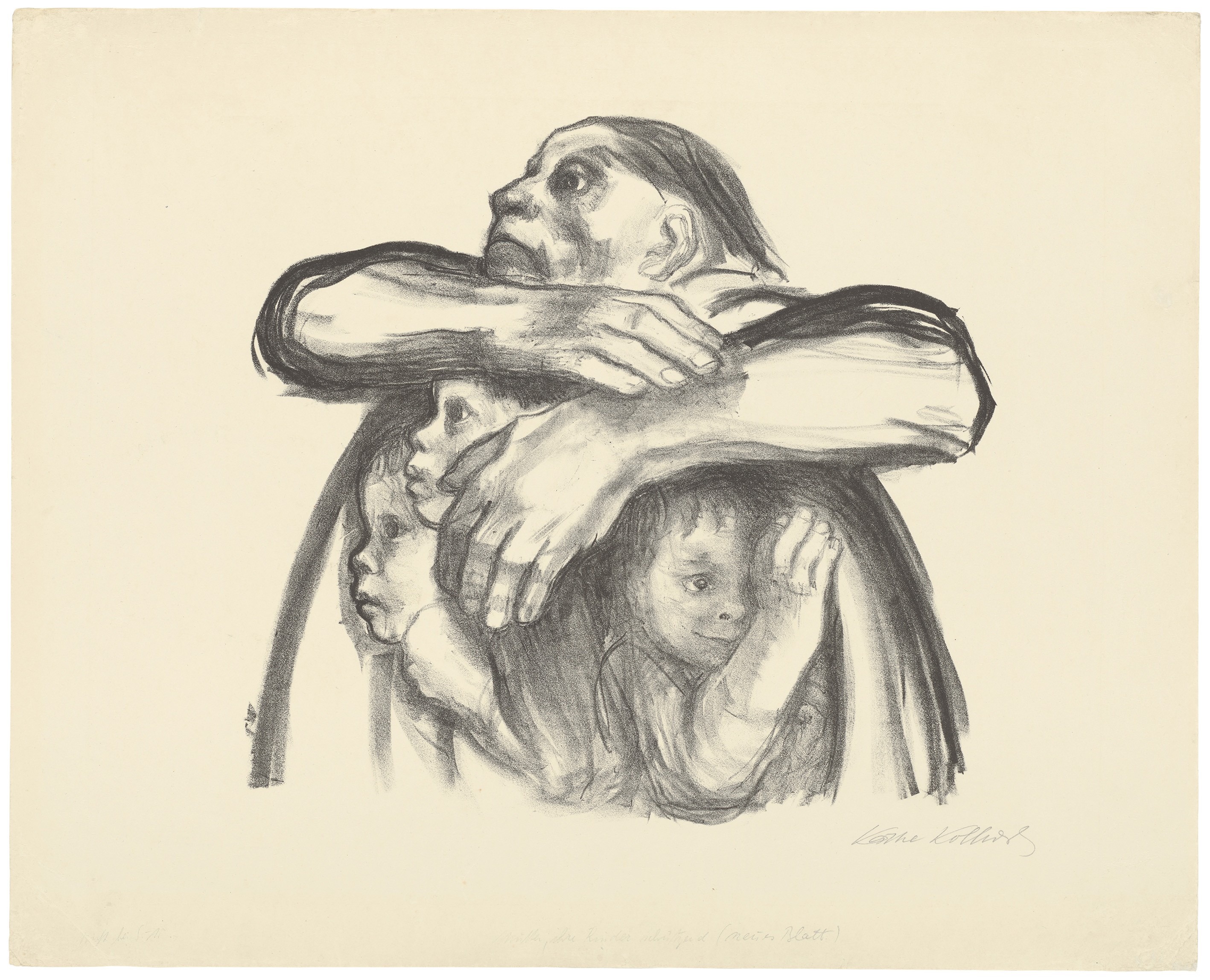
The lithograph »Seed for sowing should not be milled«, Kn 274, was created as Kollwitz’ artistic legacy.
The title, taken from a passage in Goethe’s Wilhelm Meister’s Apprenticeship, is another reference to the artist’s anti-war stance.
In 1918, shortly before the end of the First World War, she had opposed Richard Dehmel’s Appeal for a final push to win the war, which was addressed to potential volunteers, in an open letter. In 1941 she took up the motif for two works in relief and for the lithograph again.
I have once again decided – for the 3rd time – to take up the same motif and said to Hans a few days ago: this is my legacy: ‘Seeds for sowing must not be ground’ […]. This, like the demand ‘Never Again War’ is not a sentimental wish, but a demand, a command.«
On 22 June the Germans attacked the USSR without any declaration of war.
For the first time, Nazi judges passed death sentences for listening to foreign radio stations.
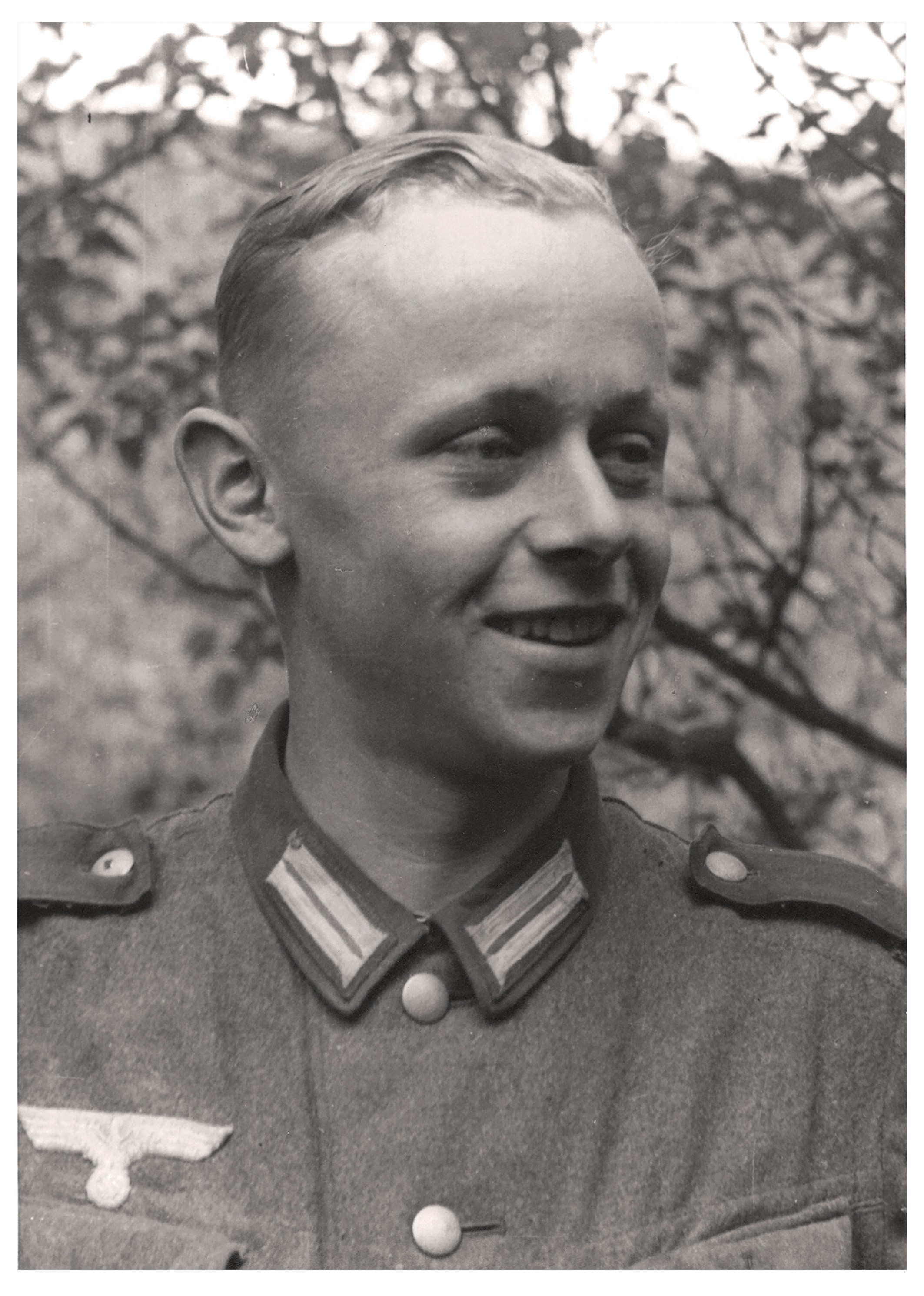
On 22 September, Peter Kollwitz (1921-1942), the artist’s eldest grandson, fell in Russia.
In the winter of 1941/42 Käthe Kollwitz created her last graphic work, the »Portrait of Cläry Bartning«, Kn 275, as a lithograph.
At the Wannsee Conference on 20 January, the Final Solution of the Jewish Question – the deportation and extermination of Jews – was decided.
On 20 April, women were compelled to work in armament factories.
The Führer’s Command was declared supreme legal authority.
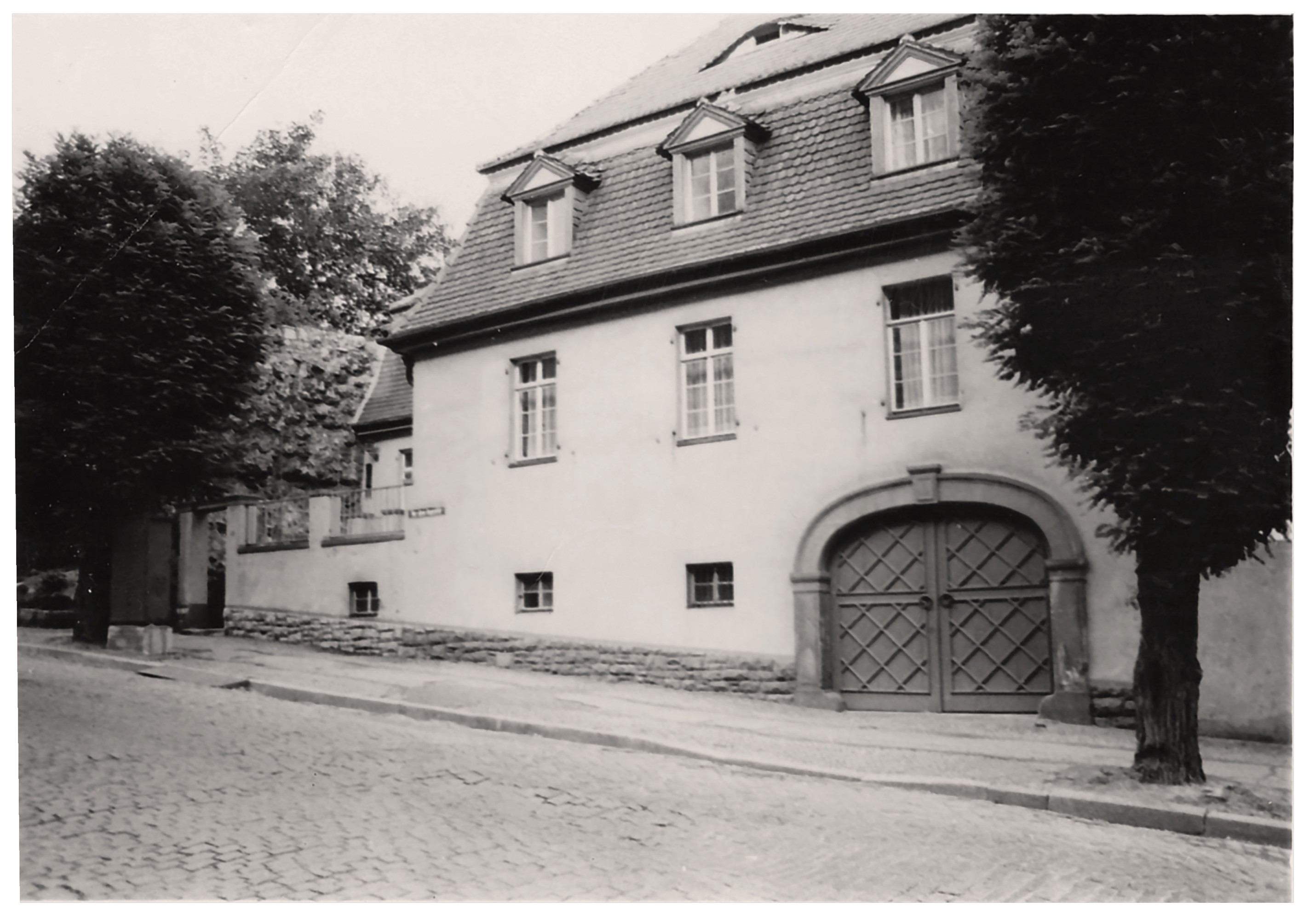
On 3 August, Käthe Kollwitz accepted the invitation of the sculptress Margret Böning (1911-1995) to come to Nordhausen, a small town in Thuringia, which had not yet been as afflicted by air raids as Berlin. Her sister Lisbeth Stern (1870-1963) and her daughter Katharina (1897-1984) as well as Clara Stern (1890-unknown), Georg Stern’s niece, were also invited.
Until now I had thought that leaving would be impossible considering my physical state, but now I’m thinking if it might be possible. I have been offered accommodation in Nordhausen […] and as my sister, who is very dear to me, may come with me, I may pluck up courage […]. I would certainly not leave, but the prospect of facing the final catastrophe of this war here in Berlin is a ghastly idea. The final few horrific battles seem to be approaching with giant strides.«
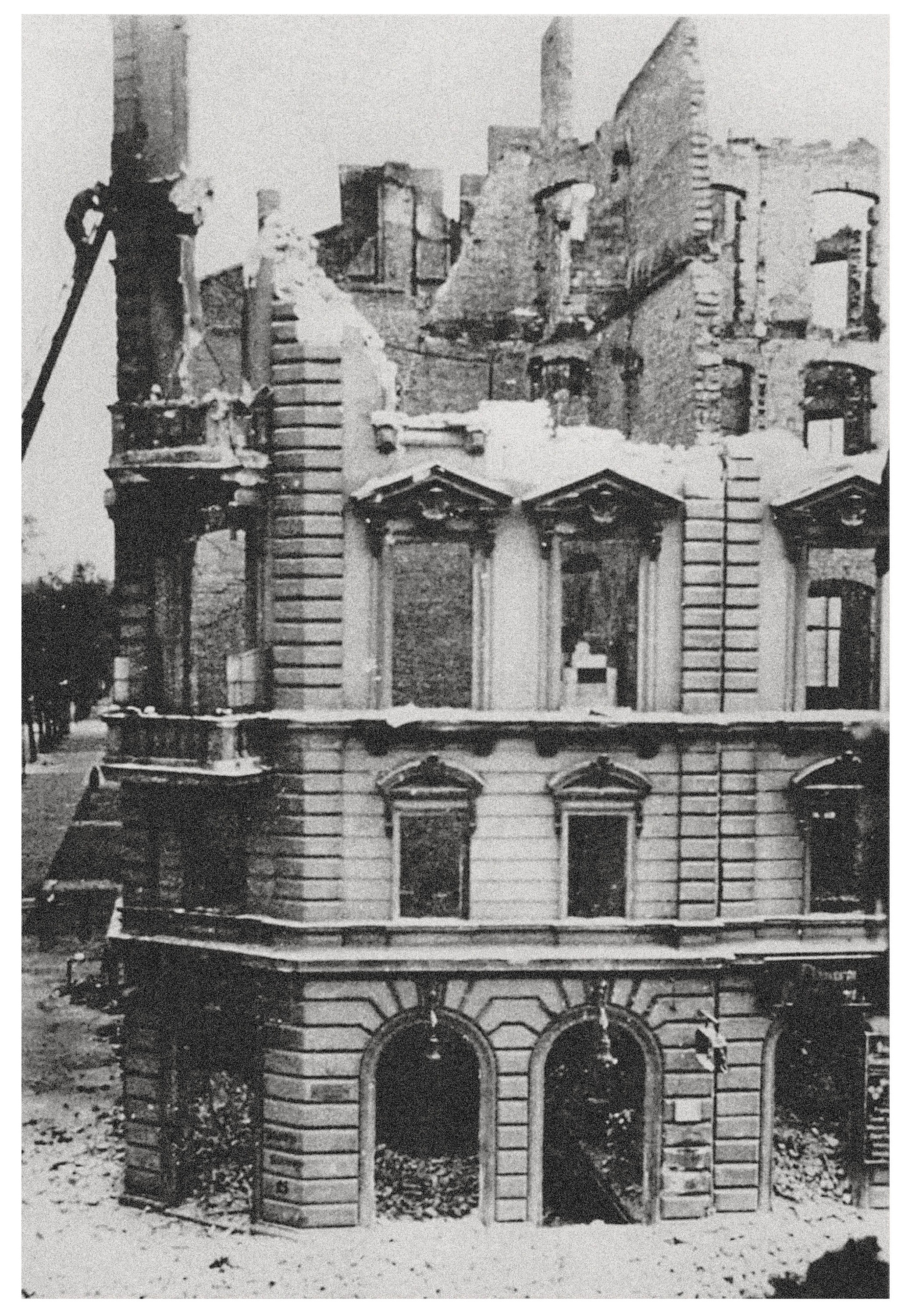
On 23 November the home in Weissenburgstrasse, where the artist had lived for many years, was destroyed in an air raid. On 3 December the house of her son Hans in Berlin was also destroyed.
The destruction of the home in Berlin, where Käthe Kollwitz had lived for 51 years, meant that many of her works were lost, including almost all the early paintings and many drawings. Works that were in her son’s house were also destroyed.
During the previous months, Margret Böning (1911-1995) and Clara Stern (1890-unknown) managed to take a large number of graphic works to a safe place in Nordhausen where they were examined and signed by the artist.
After discarding numerous prints […] there remains a good number of high-quality works all of which I have now signed […]. I would like to see everything preserved that carries my thumbprint and has a vivid connection to my inner life. I only want to discard the things that I do not regard as successful. Thus a relatively large collection remains, particularly bearing in mind that there are a lot of works stored somewhere else. This is in line with what I have often been asked: Why do you produce such a large quantity of your print editions? […] I answered: Because I want to work for a large public.«
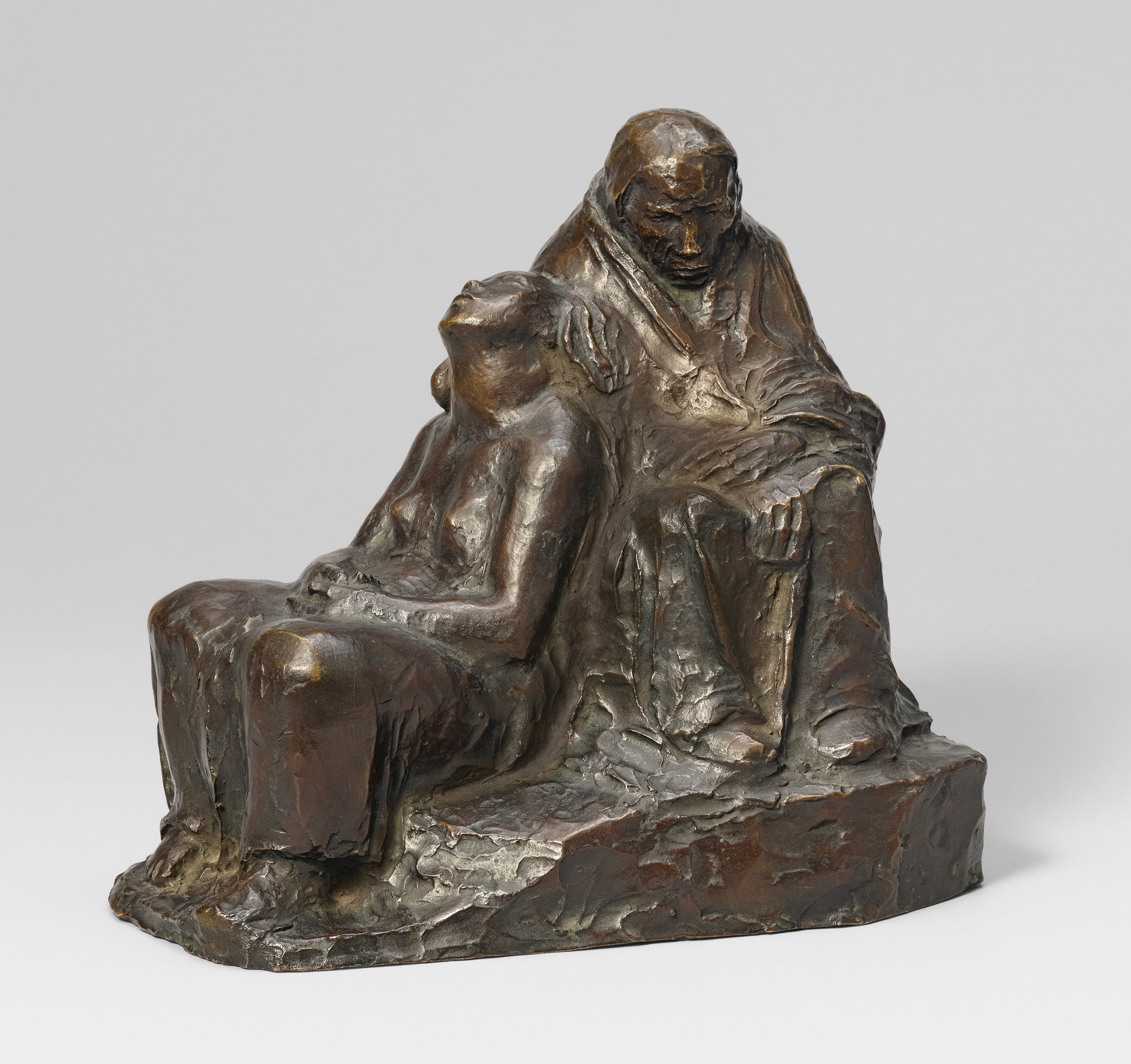
Before moving to Nordhausen, Kollwitz completed her last small-scale sculpture »Two Soldiers’ Wives waiting«, S 43.
The defeat of the 6th German army in Stalingrad in winter 1942/43 marked a turning point in the war.
On 18 February the propaganda minister Joseph Goebbels (1897-1945) proclaimed Total War at a speech in the Sportpalast.
The resistance activists of the Weisse Rose, Hans Scholl (1918-1943) and Sophie Scholl (1921-1943) were arrested on 22 February and sentenced to death.
On 19 April Jewish prisoners rebelled against their deportation to extermination camps during the Warsaw Ghetto Uprising.
On 10 June the allied forces launched a combined air raid offensive - with British planes operating at night and Americans during the day.
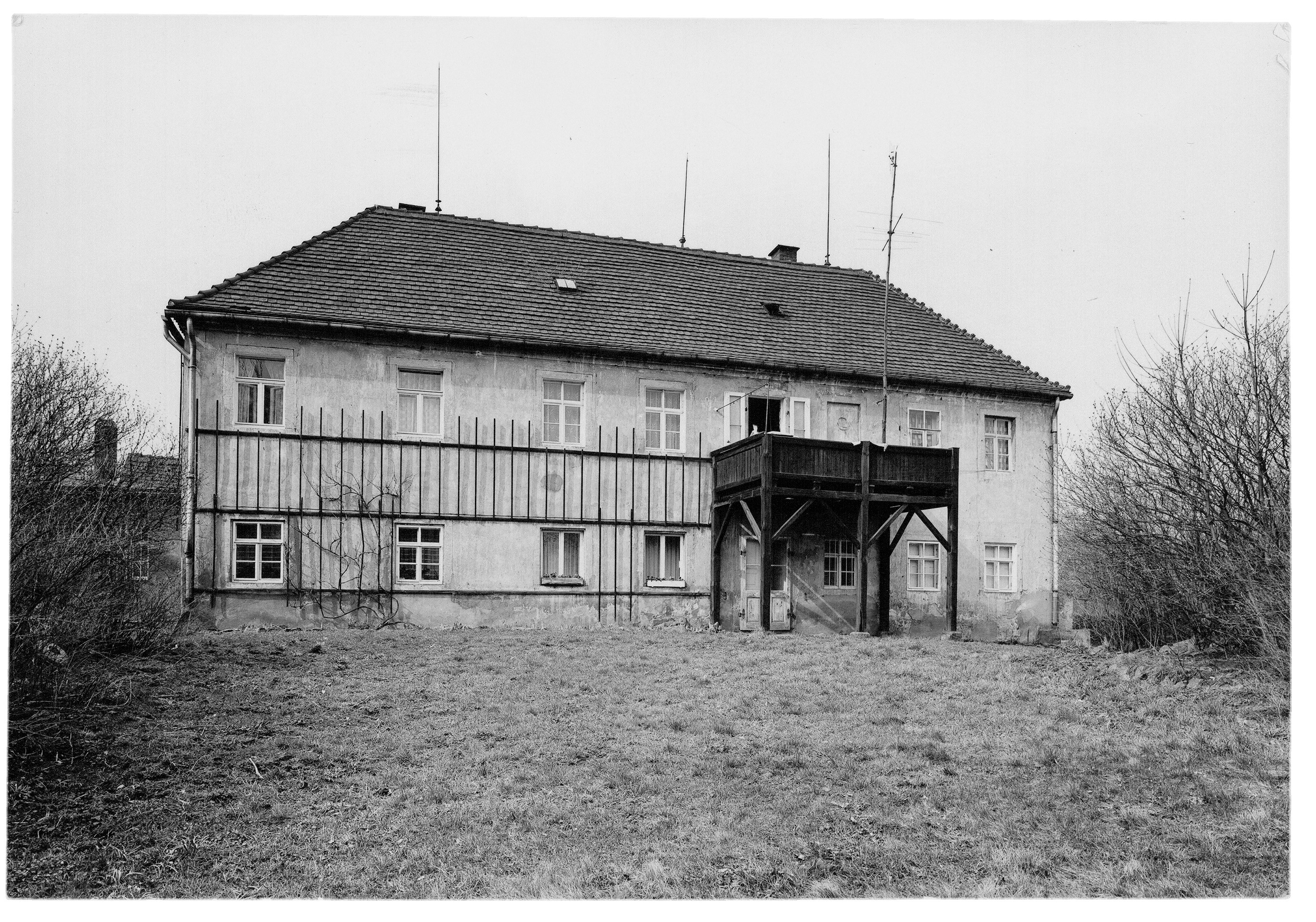
Intensified air raids on Nordhausen made another relocation necessary. On July 20, Käthe Kollwitz accepted an invitation from Prinz Heinrich von Sachsen (1896–1971) to move to Moritzburg near Dresden. There, the artist moved into two rooms in the Rüdenhof. The prince had already taken a portfolio of drawings by Käthe Kollwitz into safekeeping in 1943.
Since 1995—the year marking the 50th anniversary of her death—the Rüdenhof has served as the memorial site »Käthe Kollwitz Haus Moritzburg« dedicated to the artist.
Käthe Kollwitz suffered a mild stroke and wrote farewell letters.
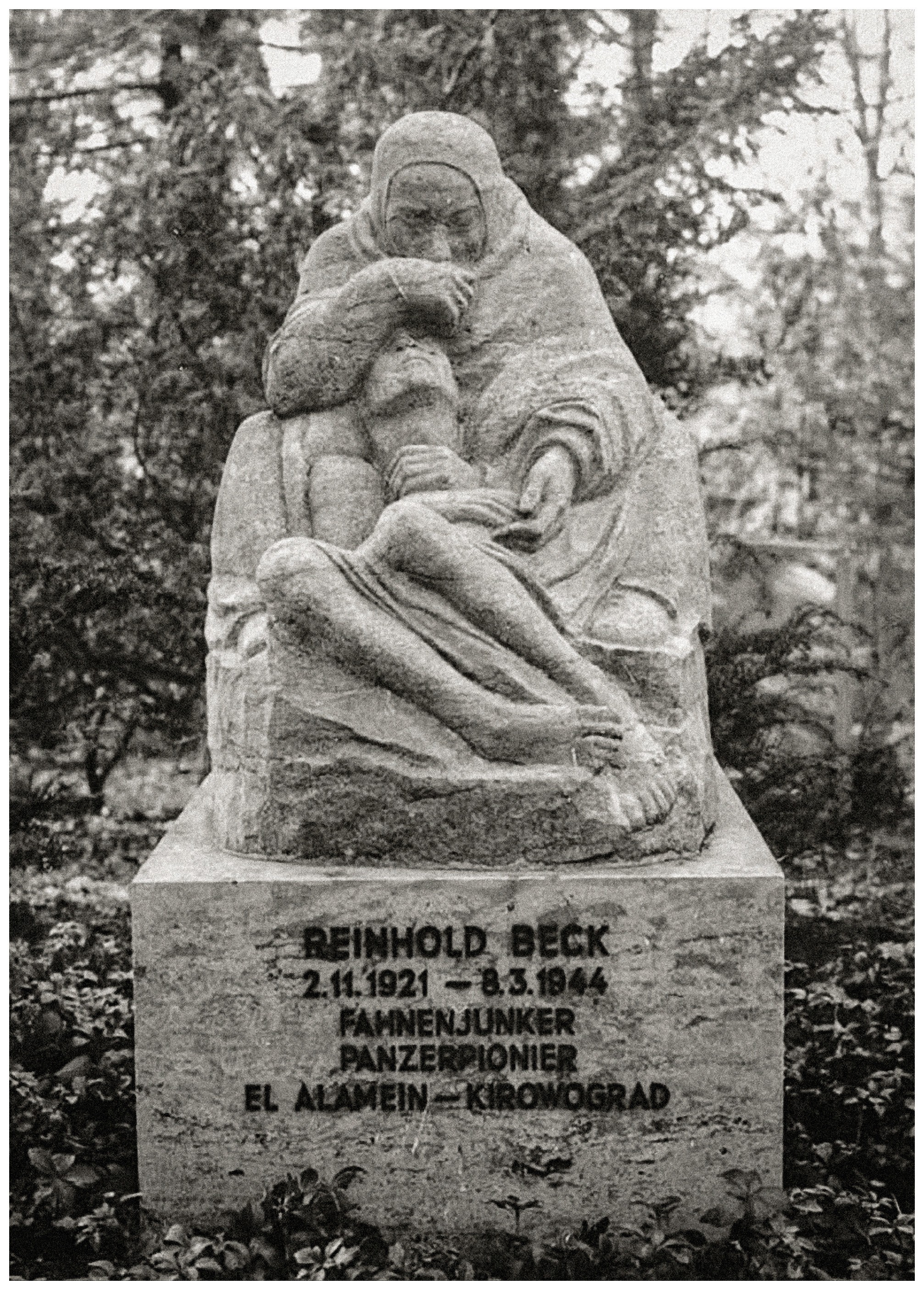
Käthe Kollwitz gave permission to the Stuttgart collector Paul Beck (1887-1949) to have her sculpture »Pietà« (1937-1939) executed in roughly twice the original size by the Stuttgart sculptor Schönfeld. This stone sculpture was for Paul Beck’s son Reinhold who died as a result of his war injuries.
The installation of this memorial at the Waldfriedhof cemetery in Stuttgart Degerloch took place as late as 1948 – three years after the artist’s death.
Beginning of the allied invasion of Normandy on D-Day, 6 June.
On 20 July there was a failed assassination attempt on Hitler. The explosive charge, which had been primed and deposited at the Führer’s Headquarters at Wolfsschanze on the occasion of a meeting by Claus Schenk Graf von Stauffenberg (1907-1944), only caused minor injuries.
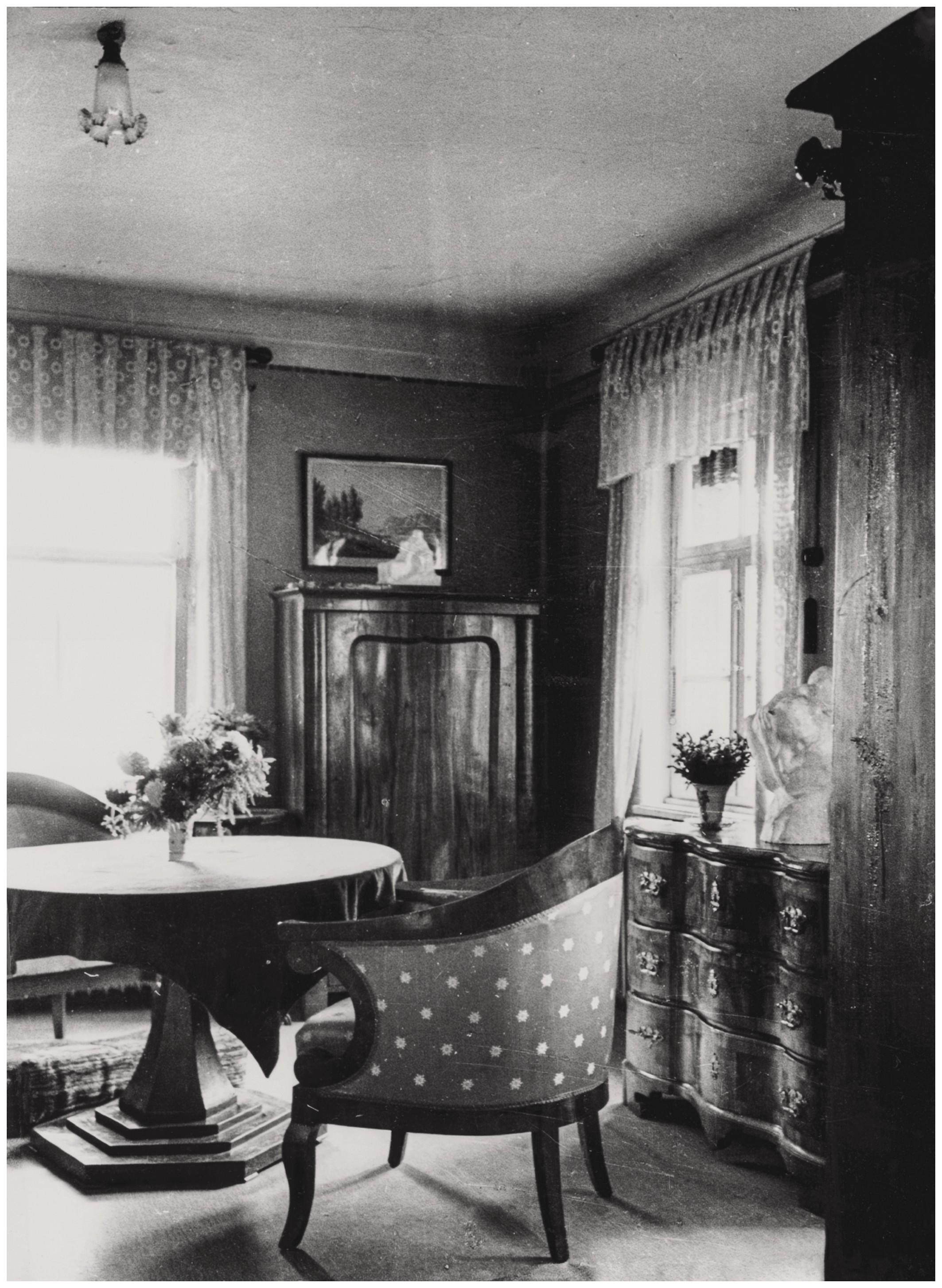
Death of Käthe Kollwitz in Rüdenhof, Moritzburg, on 22 April – a few days before the end of the war .
After the death of their grandmother, the twin-granddaughters Jördis and Jutta, who had cared for her until her death, managed to save most of the artist’s graphic works that she had taken with her to Moritzburg.
Her funeral on 24 April at the local cemetery was attended by only a few close friends. After the end of the war, on 23 November, the artist's body was exhumed and taken to Dresden for cremation. A belated funeral ceremony is held here on 27 November, attended by her relatives and official guests. In the evening, Theodor Plivier (1892-1955), with whom Kollwitz had been acquainted for a long time, read from his recently finished novel Stalingrad for the bereaved in the municipal theatre.
In accordance with her wishes, Käthe Kollwitz was laid to rest in the central cemetery in Berlin-Friedrichsfelde, where she was buried in the family grave.
On 8 May the Supreme Army Command signed Germany’s unconditional surrender and thus put an end to World War II.
TeilenInhalttimeline_en.txttxt